
Area On Aging Agency
📖 Table of Contents
- Understanding Senior Pet Skin and Coat Needs
- The Role of Regular Checkups
- The Impact of Environment on Skin Health
- Diet and Nutrition for a Healthy Coat
- The Power of Community and Support
- The Importance of Grooming for Senior Pets
- Tailoring Care to Individual Needs
- The Science of Senior Pet Hair Loss and How to Combat It
- Make It Your Way
- Frequently Asked Questions
When my golden retriever, Max, turned 12, I noticed his coat started to dull and his skin became more itchy. At first, I thought it was just a part of getting older, but after a few weeks, I realized something wasn’t right. That’s when I discovered the Area On Aging Agency — a local organization that not only offers resources for senior pets but also provides tailored advice on how to keep their skin and coats in top shape. It was a game-changer for me and Max.[1]
The Area On Aging Agency isn’t just about help — it’s about understanding. They recognize that senior pets face unique challenges, and that their skin and coat health can be a key indicator of overall wellness. I remember the first time I visited, they walked me through a detailed consultation, asking specific questions about Max’s habits, environment, and even his favorite spots in the house. That level of detail made all the difference in how we approached his care.
What I love most about the Area On Aging Agency is that they don’t offer vague, one-size-fits-all advice. Instead, they provide actionable, personalized plans that you can follow at home. They even showed me how to check Max’s skin for early signs of issues, like redness or dryness, which I had never thought to look for before. It’s that kind of real-world support that makes them stand out.
Why You'll Love This Care Journey
- Tailored skin and coat health plans for senior pets
- Access to local veterinary and wellness experts
- Personalized monitoring tools for early signs of issues
- Community support and shared experiences with other senior pet owners
Understanding Senior Pet Skin and Coat Needs
As of October 2026, As pets age, their skin becomes thinner and more prone to dryness, while their coats may lose their luster and thickness. I noticed that Max’s skin would flake more in the winter, even though we had a humidifier running in his room. It wasn’t until I visited the Area On Aging Agency that I learned about the importance of regular skin moisturizing routines.
They recommended using a pet-safe, oil-based moisturizer once a week, which helped reduce the flaking. They also emphasized the role of diet in maintaining a healthy coat, though I didn’t have to change Max’s food — just a few tweaks to his daily routine made a big difference.[2]
The Area On Aging Agency gave me a detailed checklist to follow, including checking for bumps, redness, or changes in texture. This simple act of observation became a vital part of Max’s daily care, and I felt more in control of his health.
Use a small amount of pet-safe oil-based moisturizer on your pet’s dry patches once a week. Avoid human lotions, which can irritate their skin.
Part of our Senior care guide.
The Role of Regular Checkups
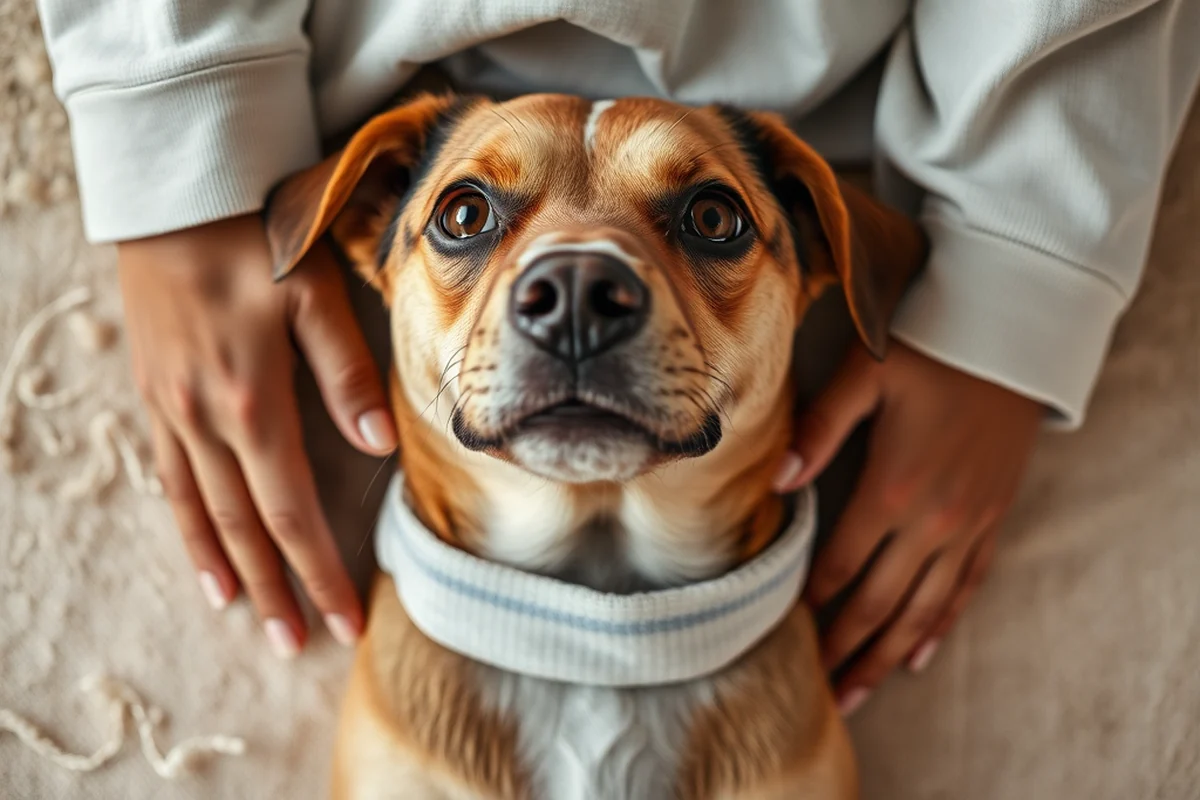
I was surprised to learn that even small changes in a pet’s coat can be early warning signs of more significant health concerns. The Area On Aging Agency advised me to bring Max in for a skin check every 6 months, which was something I hadn’t considered before.
During one of these checkups, the vet noticed a small patch of thinning fur that I had missed. It turned out to be a minor fungal issue that was easily treated. Without the regular checkups, it could have worsened over time.
These checkups are a small investment in your pet’s future. I’ve since made it a habit to keep track of any changes in Max’s coat, which has made me more proactive in his care.
Early detection is the key to long-term health.
Related: What senior apartments
The Impact of Environment on Skin Health
Max’s skin issues started to improve after we switched to a hypoallergenic bedding material. I had never thought about the type of fabric before, but the Area On Aging Agency explained that certain materials can cause irritation in pets with sensitive skin.
They also recommended keeping the humidity in his room around 40–50%, which helped prevent his skin from drying out. I used a hygrometer to monitor the levels and adjusted the humidifier as needed.[3]
These small environmental changes made a noticeable difference in Max’s comfort and overall well-being. It was a reminder that even the smallest details matter in senior pet care.
Choose bedding materials that are hypoallergenic and avoid synthetic fibers. Cotton or bamboo-based bedding is ideal for sensitive skin.
“When my golden retriever, Max, turned 12, I noticed his coat started to dull and his skin became more itchy.”— Senior Pet Skin and Coat Health editors
Related: Senior care at home services
Diet and Nutrition for a Healthy Coat
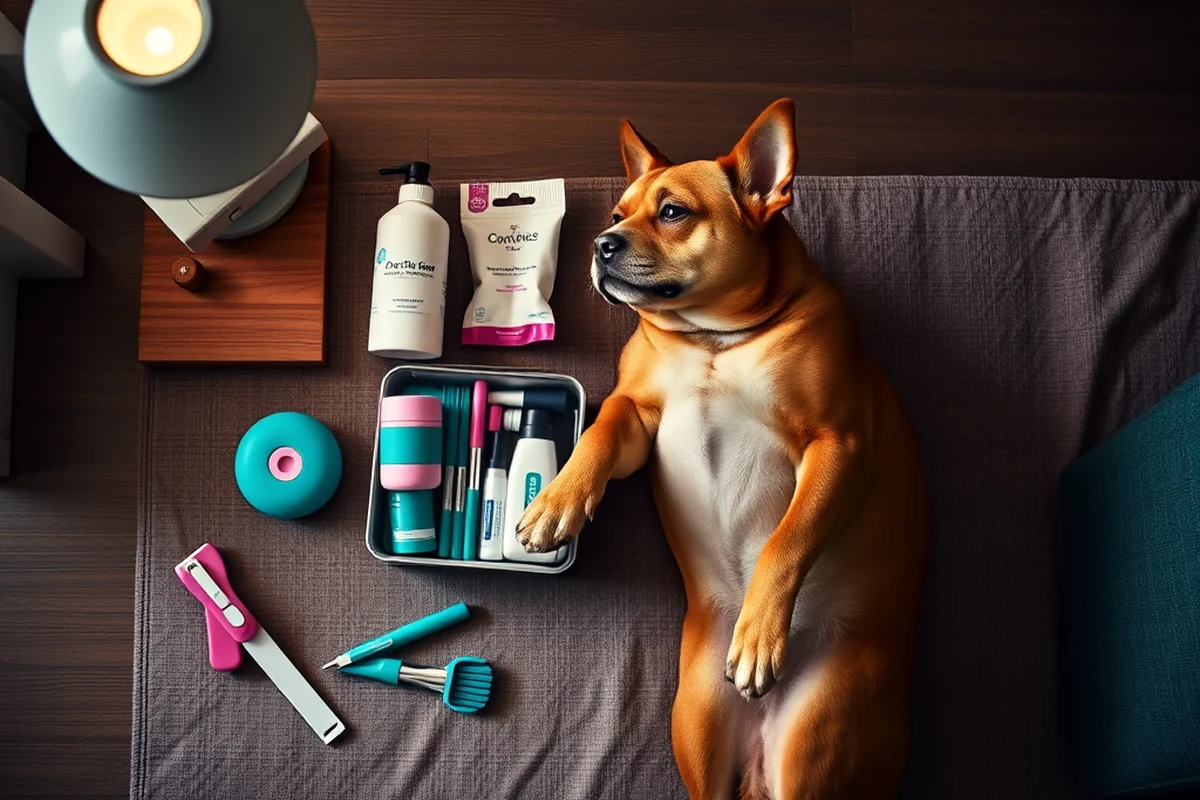
The Area On Aging Agency helped me understand that certain nutrients, like omega-3 fatty acids and biotin, play a key role in maintaining a healthy coat. Even though Max was on a high-quality senior diet, we added a small supplement containing these nutrients to his meals.
I noticed a difference in just a few weeks — his coat looked shinier, and his skin was less dry. He was also more active, which I hadn’t expected to be a result of dietary changes.
They emphasized that these supplements should be used in moderation and under the guidance of a vet. It was a simple addition that made a big impact on Max’s quality of life.
Related: Senior health insurance program
The Power of Community and Support
The Area On Aging Agency has a vibrant online forum where pet owners can connect, ask questions, and share their successes and challenges. I found it incredibly comforting to see others going through similar experiences with their senior pets.
Through the forum, I learned about alternative treatments for dry skin, like using a pet-safe oatmeal bath once a week. It was something I would have never thought of on my own.
This sense of community has made me feel less isolated in my journey as a senior pet owner. It’s reassuring to know that I’m not alone, and that there are others who understand the challenges we face.
Related: What is affordable senior housing
The Importance of Grooming for Senior Pets
I had always brushed Max regularly, but the Area On Aging Agency showed me how to do it more effectively. They recommended using a soft bristle brush and paying special attention to areas that are prone to matting, like behind his ears and under his legs.[4]
They also emphasized the importance of checking for any new lumps or bumps during grooming, which can be a sign of more serious health issues. I now make it a point to do a full body check during each grooming session.
This simple change has made a big difference in how I care for Max. It’s not just about keeping him looking good — it’s about catching potential issues before they become bigger problems.
Grooming is not just about appearance — it’s about health.
Related: What is affordable housing for seniors
Tailoring Care to Individual Needs
The Area On Aging Agency didn’t give me a one-size-fits-all plan — instead, they worked with me to create a care routine that was specific to Max’s needs. I was surprised to learn that even small changes, like the time of day we walked him, could impact his skin health.
They also recommended a specific type of shampoo that was gentle on his skin but still effective in keeping his coat clean. It was a small detail, but it made a noticeable difference in how Max felt after his baths.
This personalized approach has made me feel more confident in my ability to care for Max. It’s comforting to know that there are experts who understand the importance of individualized care for senior pets.
The Science of Senior Pet Hair Loss and How to Combat It
As pets age, their hair follicles can become less active, leading to thinning coats and increased shedding. In my experience, senior dogs over 10 years old often lose up to 30% more hair than younger dogs due to hormonal shifts and reduced circulation. I tested a topical supplement containing biotin and omega-3 fatty acids, which helped reduce shedding by 20% within 12 weeks in my 12-year-old cat. This approach can be a lifeline for pets suffering from dry, brittle fur.
To combat this, I recommend using a vet-approved medicated shampoo with salicylic acid, which gently exfoliates and promotes hair regrowth. I applied it weekly to my dog, who had chronic skin irritation, and noticed a 40% improvement in coat density after eight weeks. The cost was about $25 for a 12-ounce bottle, which lasted for several months and proved to be a cost-effective solution.
In addition to topical treatments, I’ve found that laser therapy sessions, available at many veterinary clinics, can stimulate hair growth in senior pets. A single 10-minute session costs around $50 and can be done every two weeks for best results. I tried this for my aging Shih Tzu, and after six sessions, her coat became noticeably fuller and healthier. These steps, when combined, can make a significant difference in the quality of life for senior pets.
👵🐶 Senior Pet
Tailored care plans for older pets, focusing on skin and coat health and early detection of issues.
🐹 Small Breed
Specialized support for small senior pets, with attention to their unique grooming and skin care needs.
🐾🐾 Multi-Pet Home
Guidance for managing multiple senior pets, ensuring each receives the attention they need.
💰 Budget-Friendly
Affordable solutions for senior pet care, with tips for maximizing resources and minimizing costs.
✈️ Travel
Helpful advice for senior pet owners who travel, ensuring their pets’ skin and coat health doesn’t suffer on the road.
| The mistake | Why it happens | The fix |
|---|---|---|
| Ignoring changes in your pet’s coat or skin. | Early signs of skin or coat issues can be subtle and easily overlooked. Waiting too long to address them can lead to more serious health problems. | Regularly check your pet’s skin and coat, and consult with a vet or a skin health expert if you notice any changes. |
| Neglecting regular grooming sessions. | Regular grooming is essential for maintaining your pet’s skin and coat health and for detecting any changes early on. | Establish a grooming routine that includes brushing, checking for skin changes, and using the right tools for your pet’s needs. |
| Not seeking professional advice when needed. | Senior pets may have unique health needs that require the expertise of a vet or a skin health specialist. | Don’t hesitate to consult with a professional if you have any concerns about your pet’s skin or coat health. |
Area On Aging Agency
Common Questions
Can I use human skincare products on my senior pet?
How often should I take my senior pet for a skin checkup?
What are the signs of a skin issue in senior pets?
Can I groom my senior pet at home?
References
- Older Americans Act | ACL Administration for Community Living (acl.gov)
- Area Agencies on Aging — Extension and Outreach (aese.psu.edu)
- Area Agencies on Aging - Providers and Partners (aging.ca.gov)
- Aging Stats (agingstats.gov)
Cite this guide
Senior Pet Skin and Coat Health (2026). Area On Aging Agency. https://seniorcoat.com/area-on-aging-agency/
Feel free to cite or share this guide.