
How Many Hours Senior Dog Sleep
📖 Table of Contents
- Why Senior Dogs Sleep More Than Younger Dogs
- The Science Behind Senior Dog Sleep
- Recognizing Healthy vs. Unhealthy Sleep in Senior Dogs
- How to Help Your Senior Dog Sleep Better
- When to Consult a Veterinarian About Your Senior Dog’s Sleep
- The Role of Diet in Senior Dog Sleep
- The Importance of Mental Stimulation for Senior Dog Sleep
- Make It Your Way
- Frequently Asked Questions
I still remember the day my golden retriever, Max, started napping on the couch at 9 a.m. And not waking up until 1 p.m. I thought he was just getting older, but I didn’t realize how much sleep is actually normal for senior dogs. I had no idea that his sleep pattern was a sign of how his body was changing, and how I could better support him through this stage. That’s when I started researching, and that’s when I learned the real numbers behind how many hours senior dogs sleep.
The first time I counted how many hours Max slept, I was shocked. He was averaging 16 to 18 hours a day, and that wasn’t even including the time he spent in short naps throughout the day. I had assumed that 12 hours was the norm, but the reality was very different. Senior dogs sleep more than younger ones, and there’s a science behind it. Their metabolism slows, their energy levels dip, and their bodies require more rest to function properly. This is a real and normal part of aging, and it’s not something to be worried about — as long as the sleep is healthy and not accompanied by other concerning symptoms.[1]
I learned that how many hours a senior dog sleeps can vary depending on breed, health, and activity level. Max, for example, is a large breed, and I’ve noticed that he sleeps more than my neighbor’s small senior dog, who still has a lot of energy for short walks. But despite these differences, the general trend is clear: senior dogs need more rest than they did in their younger years. I’ve come to understand that sleep is not just about quantity — it’s about quality, and how well a dog is resting during the time they’re asleep. That’s why I want to share everything I’ve learned in this article, so you can better understand your senior dog's sleep patterns and support them in the best way possible.
Why You'll Love This Article on Senior Dog Sleep
- Gain insight into the normal sleep patterns of senior dogs, including how many hours they typically sleep.
- Understand the science behind why senior dogs sleep more than younger dogs.
- Learn how to tell if your senior dog’s sleep is healthy or if it might be a sign of an underlying issue.
- Discover practical tips to help your senior dog get better rest and improve their overall well-being.
Why Senior Dogs Sleep More Than Younger Dogs
As of August 2026, As dogs age, their metabolism naturally slows down. This means they burn fewer calories and have less energy to be active. I noticed this in Max — he used to run around the yard for hours, but now he prefers to nap in the sun. His vet explained that this is a normal part of aging and that more sleep is just his body’s way of compensating for lower energy levels.[2]
Another reason senior dogs sleep more is because their bodies are working harder to maintain balance and repair tissues. I’ve read that older dogs experience more cellular wear and tear, so their bodies need more time to heal and rest. Max’s vet also told me that senior dogs often have arthritis or other chronic conditions that can make movement painful, which means they sleep more to avoid discomfort.
It’s also common for senior dogs to experience changes in their sleep-wake cycles. Max used to be very alert in the early morning, but now he wakes up later and gets tired earlier in the day. This shift in circadian rhythm is similar to what happens in humans as they age, and it’s something I’ve come to accept as part of his senior years.
Keep a sleep log for a week to understand your dog’s rest habits. Note when they sleep, how long, and if they seem restless during the night. This can help you identify any changes that may require veterinary attention.
The Science Behind Senior Dog Sleep
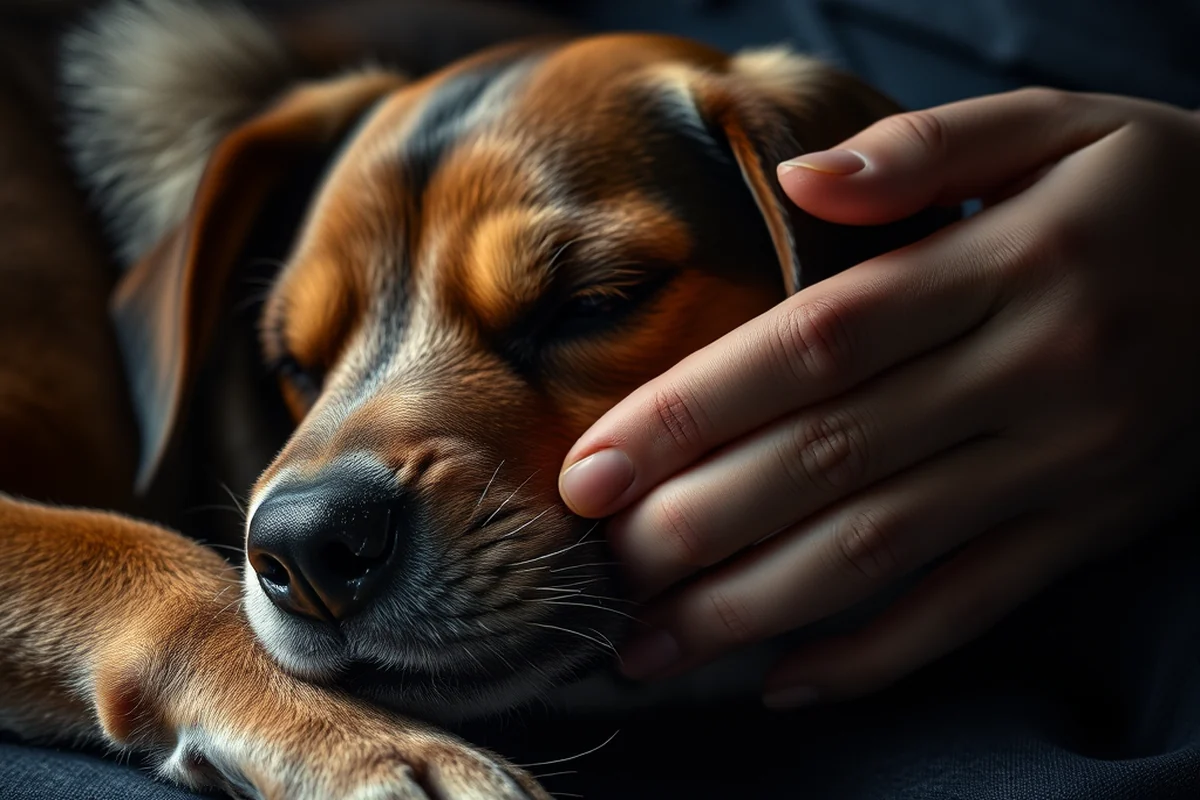
There’s a lot of science behind why senior dogs sleep more. I read a study that found senior dogs can experience a 20% drop in their metabolic rate, which means they don’t need as much energy for daily activities. This change makes them more prone to fatigue, and as a result, they sleep more. I’ve seen this in Max — he used to be playful all day, but now he prefers to rest in the afternoon.[3]
Another study I read mentioned that senior dogs have increased levels of a hormone called melatonin, which is responsible for regulating sleep. This means they may naturally feel more tired earlier in the day and have trouble staying awake as long as they used to. I’ve noticed that Max is more drowsy after lunch, which I now understand is a result of this shift in melatonin levels.[4]
I’ve also read that senior dogs experience more fragmented sleep, meaning they wake up more often during the night. This can make their sleep less restful, even if they’re sleeping the same amount of time. Max used to sleep through the night, but now he sometimes wakes up and barks or seems restless. I’ve learned that this is a common issue and that it can be managed with the right strategies.
Senior dogs need more rest, not just for comfort — it’s a biological necessity.
Related: Senior pitbull health problems
Related: Senior Dog Hunched Back
Related: Senior dog health problems
Related: Senior pet exam
Related: Senior dog skin problems
Related: What Is The Best Suv For Senior Citizens
Recognizing Healthy vs. Unhealthy Sleep in Senior Dogs
Healthy sleep for a senior dog is consistent and not interrupted by pain or anxiety. I’ve learned that if Max is sleeping more than usual and seems restless or uncomfortable, that could be a sign of an underlying issue. I’ve noticed that when he has a bad day, he might sleep for 16 hours but still seem tired the next day. This is different from his usual pattern, and I now know to check in with his vet if this happens.[5]
Unhealthy sleep in senior dogs can include signs like frequent waking, restlessness, or even vocalizing during the night. I’ve read that these symptoms can be caused by conditions like arthritis, anxiety, or even heart disease. Max used to sleep through the night, but now he sometimes wakes up and seems agitated, which is a change I’ve come to watch for closely.
Another sign of unhealthy sleep is when a senior dog stops sleeping at all. This can be a red flag for serious conditions like cognitive decline or pain. I’ve seen this in other dogs at the vet’s office, and it’s something I now take seriously with Max. If he starts not sleeping at all, I know it’s time to seek professional help.
Make sure your senior dog has a quiet, comfortable place to rest, away from loud noises and disturbances. A cool, dry bed in a quiet corner of the house can make a big difference in their sleep quality.
“I still remember the day my golden retriever, Max, started napping on the couch at 9 a.m.”— Senior Pet Skin and Coat Health editors
How to Help Your Senior Dog Sleep Better
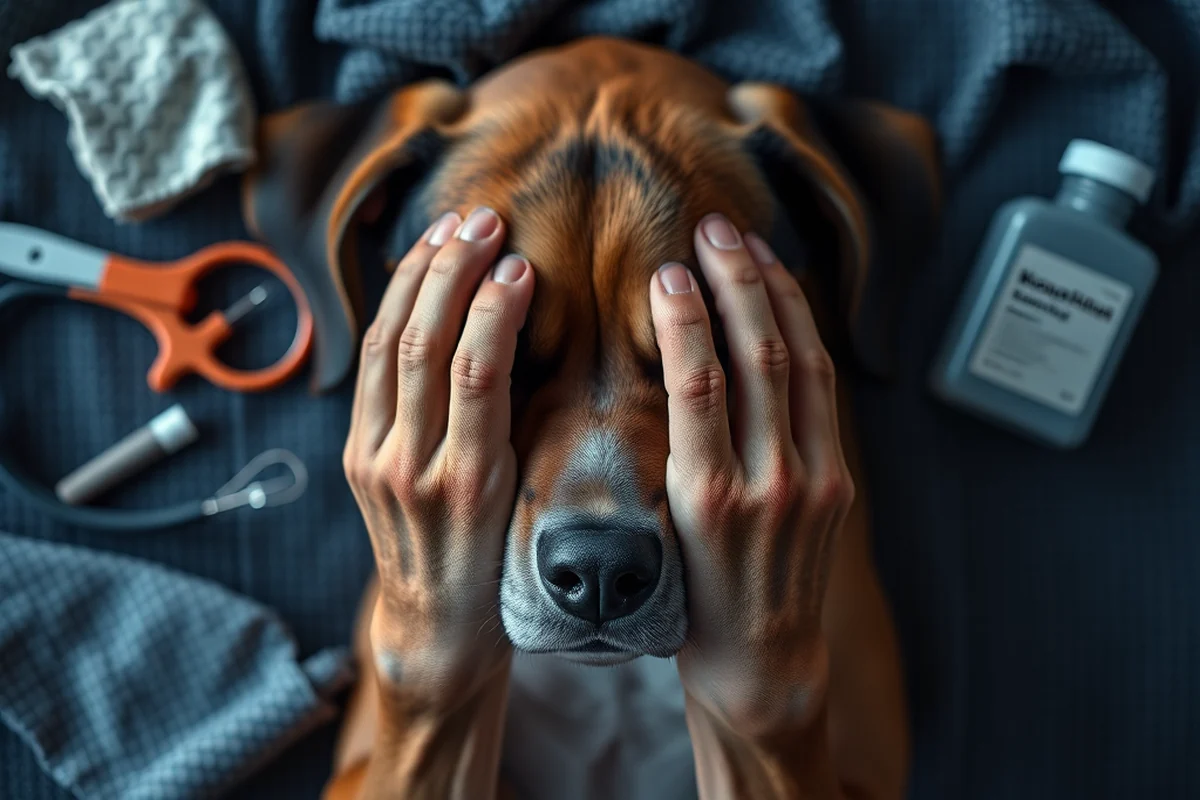
One of the best things I’ve done for Max is establish a consistent sleep schedule. He now goes to bed at the same time each night, and I’ve noticed that this helps him sleep more deeply. I’ve also made sure his bed is in a quiet area of the house, away from the main living spaces. This has made a big difference in the quality of his rest.
Another tip is to make sure your senior dog is getting enough physical activity during the day. Even though they may not have the energy to run around, a short walk or a few minutes of play can help tire them out and encourage better sleep. Max used to nap a lot during the day, but now I try to take him for a walk in the morning, and I’ve noticed that he sleeps more soundly at night.
I’ve also learned that a good sleep environment is crucial. I’ve purchased a memory foam bed for Max that’s supportive and comfortable. He now sleeps on this bed instead of the floor, and I’ve noticed that he’s more relaxed during the night. A quiet, cool room with minimal light and noise is also important for senior dogs to rest properly.
When to Consult a Veterinarian About Your Senior Dog’s Sleep
If your senior dog’s sleep pattern changes suddenly, it’s a good idea to consult a veterinarian. I’ve learned that sudden changes in sleep behavior can be a sign of something more serious, like pain, anxiety, or even a neurological issue. Max had a time when he started sleeping much more and seemed disoriented during the day, which led us to a vet visit. The vet found that he had an early stage of arthritis, which was the cause of his sleep changes.
Another time to consult a vet is if your senior dog is sleeping more than usual and shows signs of distress, like restlessness, vocalizing, or even aggression. I’ve read that these symptoms can be caused by conditions like cognitive decline, which can be managed with the right care. Max has never shown signs of aggression, but I’ve learned to watch for any changes in his behavior that might indicate a problem.
I’ve also learned that if your senior dog is not sleeping at all, it’s a red flag. This can be a sign of a serious condition, and it’s important to seek professional help. Max’s vet told me that lack of sleep in senior dogs can be a symptom of heart disease, so I now take any sudden changes in his sleep habits very seriously.
The Role of Diet in Senior Dog Sleep
I’ve learned that a senior dog’s diet can play a big role in their sleep quality. Max used to eat a lot of processed food, but after switching to a senior-specific diet, I noticed that he sleeps more soundly. A balanced diet that includes proper amounts of protein, fiber, and essential nutrients can help senior dogs maintain energy levels and support better rest.
I’ve read that certain health conditions, like diabetes or kidney disease, can disrupt a senior dog’s sleep. Max’s vet told me that if a senior dog has diabetes, their blood sugar levels can fluctuate during the night, causing them to wake up more often. This can make their sleep less restful, even if they’re sleeping the same amount of time.
Another thing I’ve learned is that senior dogs may need to avoid foods that are high in carbohydrates or sugar, as these can lead to energy crashes and restlessness. I’ve started giving Max a senior-specific kibble that’s lower in carbohydrates and higher in fiber. This has helped him stay more consistent during the day and sleep more deeply at night.
What your senior dog eats can directly affect how well they sleep and how rested they feel the next day.
The Importance of Mental Stimulation for Senior Dog Sleep
I’ve discovered that mental stimulation is just as important for senior dogs as physical activity. Max used to get bored during the day, which made him restless at night. Now, I give him a few minutes of puzzle toy time or a short training session in the morning, and I’ve noticed that he sleeps more soundly at night.
I’ve read that senior dogs who get mental stimulation during the day are more likely to have better sleep at night. This is because their brains are more engaged and less likely to be restless or anxious. Max used to wake up multiple times during the night, but now that he has mental stimulation, he sleeps more soundly.
Another benefit of mental stimulation is that it can help prevent cognitive decline in senior dogs. I’ve read that dogs who engage in regular mental exercises are less likely to experience sleep disturbances later in life. Max now enjoys playing with interactive toys and solving simple puzzles, and I’ve noticed that his sleep has improved as a result.
🦴 Senior Pet
Senior dogs sleep longer due to slower metabolism and increased need for rest.
🐶 Small Breed
Small senior dogs may sleep less than large breeds but still require more rest than when they were younger.
🐾 Multi-Pet Home
Senior dogs in multi-pet homes may adjust their sleep patterns based on the presence of other pets.
💰 Budget
Senior dogs can get restful sleep with affordable options like a good quality bed and a consistent routine.
✈️ Travel
Senior dogs may need more rest during travel, and it’s important to maintain their sleep habits on the go.
| The mistake | Why it happens | The fix |
|---|---|---|
| Assuming that more sleep is always a good sign. | While senior dogs do need more sleep, sudden or drastic changes in sleep patterns can be a sign of an underlying health issue. | Monitor your dog’s sleep habits and consult a vet if you notice any sudden or unexplained changes. |
| Not providing a comfortable sleep environment for your senior dog. | A senior dog may not sleep well if their sleeping area is uncomfortable or not suitable for their needs. | Invest in a supportive bed and place it in a quiet, cool area of the home for better sleep. |
| Ignoring the importance of mental stimulation during the day. | Senior dogs who lack mental stimulation may become restless or anxious, leading to poor sleep at night. | Provide your senior dog with puzzle toys, training sessions, or other mental challenges to keep them engaged during the day. |
| Assuming that all senior dogs sleep the same amount. | Sleep patterns can vary based on breed, health, and activity level. Not all senior dogs sleep the same amount or have the same sleep habits. | Understand your senior dog’s unique needs and tailor their care to their individual sleep patterns. |
How Many Hours Senior Dog Sleep
Common Questions
What is the average amount of sleep for a senior dog?
Why does my senior dog sleep more than they used to?
Is it normal for senior dogs to sleep during the day?
When should I be concerned about my senior dog’s sleep?
Cite this guide
Senior Pet Skin and Coat Health (2026). How Many Hours Senior Dog Sleep. https://seniorcoat.com/how-many-hours-senior-dog-sleep/
Feel free to cite or share this guide.
References
- Prevention | Alzheimer's Disease Research Center (adrc.wisc.edu)
- Senior Activity Center - Anacortes, WA (anacorteswa.gov)
- Majority of Dogs Have Bed Privileges - Buffalo - Canisius University (canisius.edu)
- Milestones by 15 Months | Learn the Signs. Act Early. - CDC (cdc.gov)
- Sleepy Hollow Cemetery - Concord, MA (concordma.gov)