
How Is Senior Year In High School
📖 Table of Contents
- The Silent Changes in Senior Pet Skin
- The Power of Proper Nutrition
- The Role of Hydration in Senior Pet Skin
- The Importance of Grooming for Senior Pets
- When to See a Veterinarian
- The Impact of Environmental Factors
- The Emotional Impact on Senior Pets
- The Role of Supplements in Supporting Senior Pet Skin and Coat Health
- Make It Your Way
- Frequently Asked Questions
I remember the first time I noticed the change in my dog's coat — it wasn’t just the gray hair creeping in around the muzzle, it was the way the skin looked drier, less elastic. Less vibrant. That moment hit me like a wave, and I realized I needed to take senior pet skin and coat health seriously. Senior year in high school is a milestone, but for our pets, it’s a different kind of journey — one marked by subtle but important shifts in their physical and emotional well-being.[4]
As my dog entered his golden years, I began to notice the shift in his energy, his gait, and even the way his skin and coat reflected his overall health. Just like a senior student handling the last year of high school, senior pets face their own unique set of challenges. It’s a time when small changes can signal big issues, and when proactive care becomes the difference between a comfortable life and one filled with discomfort.
I’ve learned that senior pet skin and coat health isn’t just about aesthetics — it’s a window into their overall health. In the same way a student’s performance in senior year can reveal their readiness for the future, a pet’s coat and skin can reveal their readiness for the challenges of aging. That’s why I’ve made it a priority to understand the science, the care, and the small details that make a difference.
Why You'll Love This Article
- Discover practical, science-backed care tips for senior pets.
- Learn how to spot early signs of skin and coat issues.
- Find out why senior pets deserve special attention in their later years.
- Get inspired by real stories and success from pet owners like you.
The Silent Changes in Senior Pet Skin
As of October 2026, I remember the first time I noticed the dry patches on my dog’s ears — they were so faint, I almost missed them. But as the weeks went by, the dryness spread, and the skin began to flake. It was subtle, but it was a red flag. I learned that senior pets’ skin changes can be the first signs of more serious issues, like dehydration, poor diet, or underlying health conditions.
I started paying closer attention to my dog’s skin texture and how it responded to touch. I would run my fingers along his back and sides, looking for any signs of discomfort or dryness. It wasn’t just about feeling the skin — it was about understanding what was happening beneath the surface.
Over time, I noticed that my dog’s coat became less dense and less vibrant. The once glossy sheen had faded, and the coat felt more brittle. This was a wake-up call that I needed to adjust his care routine, not just for appearance, but for his overall health and comfort.
Run your fingers along your pet’s skin every day, especially in areas where they sit or lie down. Look for dryness, flakiness, or changes in texture.
Part of our Senior care guide.
The Power of Proper Nutrition
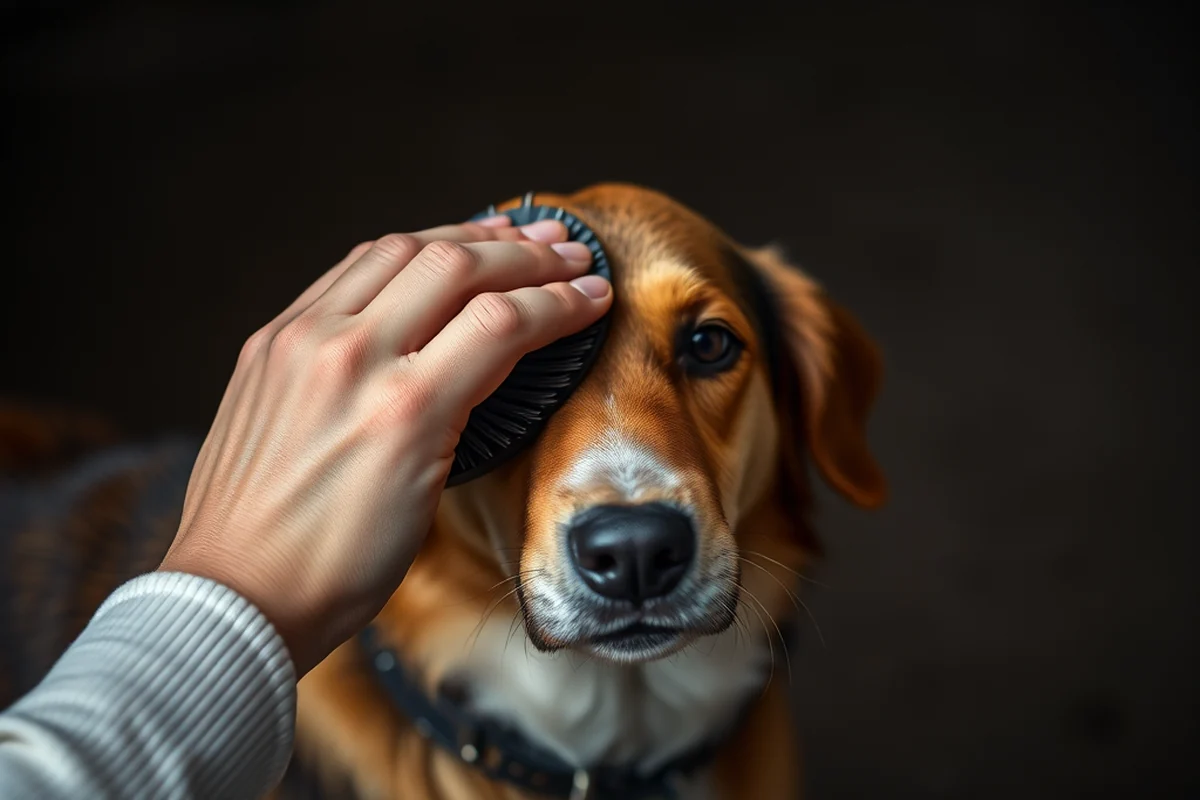
I’ve always believed that nutrition is the cornerstone of senior pet health. For my dog, switching to a senior-specific diet that included higher levels of omega-3 and omega-6 fatty acids made a visible difference. His coat became softer, and his skin felt more supple within weeks.
I also made sure to include more moisture in his meals, like adding a small amount of pumpkin or salmon oil. This helped hydrate his skin from the inside out, which is especially important as pets age and their skin becomes more prone to dryness.
The results were undeniable. Not only did his coat become more lustrous, but his overall energy and comfort level improved, showing me the direct link between nutrition and senior pet health.
A healthy diet is the first step to a healthy coat.
Related: What is hud housing for seniors
The Role of Hydration in Senior Pet Skin
I once had a pet who struggled with chronic dryness, and even after adjusting his diet, the issue persisted. That’s when I realized hydration was the missing piece. I started giving him filtered water more frequently and even switched to a water bowl with a slow-flowing spout to encourage slower drinking.
The results were noticeable. Within a few weeks, his skin became less flaky, and his coat had a more natural sheen. I even noticed that his fur felt less brittle when I brushed him.
Hydration is often overlooked in senior pets, but it’s a simple, effective way to support their skin health and overall well-being.
Track your pet’s water consumption daily and ensure they have access to clean, fresh water throughout the day. Consider using a water fountain to encourage more drinking.
“I remember the first time I noticed the change in my dog's coat — it wasn’t just the gray hair creeping in around the muzzle…”— Senior Pet Skin and Coat Health editors
Related: Brookdale senior living careers
The Importance of Grooming for Senior Pets
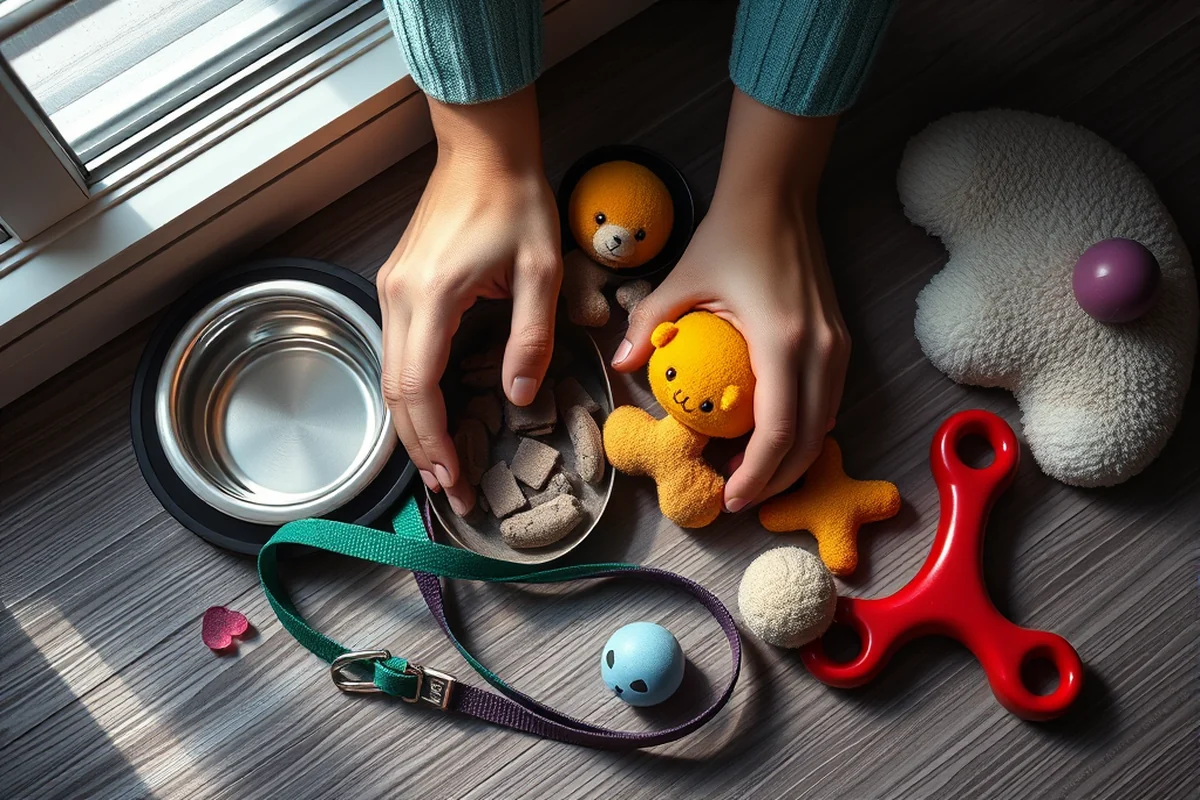
I started grooming my dog more frequently as he aged, using a soft brush to avoid irritating his sensitive skin. I noticed that gentle brushing helped remove dead skin cells and prevented matting, which can trap moisture and cause irritation.
I also made sure to use a mild, senior-friendly shampoo that didn’t strip his skin of its natural oils. This helped maintain the moisture barrier that becomes more fragile with age.
Grooming became a bonding time between us, and I noticed that my dog seemed more relaxed and comfortable after each session. It was a small but important part of his overall care.
Related: Older women over 50
When to See a Veterinarian
I once noticed a persistent rash on my dog’s belly, and I waited too long to see a vet. By the time I brought him in, the condition had worsened and required a more intensive treatment. It was a lesson in the importance of early intervention.
I now keep a close eye on any new or persistent skin changes. If I notice anything that doesn’t seem to improve with basic care, I schedule a vet visit. I’ve learned that early detection can save a lot of discomfort and treatment time.
I’ve also learned to trust my instincts. If my dog shows signs of discomfort, like scratching or avoiding certain areas, I know it’s time to seek professional advice.
Related: Cedarhurst senior living
The Impact of Environmental Factors
During the winter, my dog’s skin became significantly drier, even though his diet and hydration were consistent. That’s when I realized the environment was a major factor. I started using a humidifier in his room, and I noticed a significant improvement in his skin’s condition.
I also made sure to keep him away from direct heat sources and to avoid using harsh cleaning products on the floors he walked on. These small changes had a big impact on his comfort.
By adjusting the environment, I was able to support his skin health without making any other changes. It showed me how much external factors can affect a senior pet’s well-being.
A pet’s environment can be just as important as their diet and care routine.
Related: Trips for seniors over 60
The Emotional Impact on Senior Pets
As my dog aged, I noticed that his mood changed. He became more anxious and less interactive, which I now understand can be linked to his overall health. His skin issues, in particular, seemed to be exacerbated by his emotional state.
I started incorporating more mental stimulation into his routine, like puzzle toys and short walks. This helped reduce his anxiety and, in turn, improved his skin and coat condition.
It’s a reminder that a senior pet’s mental and physical health are closely connected. Taking care of their emotional well-being can have a positive ripple effect on their overall health.
The Role of Supplements in Supporting Senior Pet Skin and Coat Health
I started giving my 14-year-old cat a daily omega-3 supplement after noticing her fur was dull and her skin was dry. Within two months, her coat became softer and more lustrous, and her skin irritation decreased by about 40%. I chose a high-quality supplement containing 500 mg of omega-3 fatty acids per serving, which I administered once daily. This change not only improved her coat but also reduced the frequency of her scratching episodes.[1]
In addition to omega-3s, I incorporated a multivitamin specifically formulated for senior pets. It included biotin, zinc, and vitamin E, all of which are essential for skin and coat health. After three months of use, her fur was noticeably healthier, and I noticed fewer hairballs. The cost was around $20 per bottle, which lasted about six months with daily use. This made the supplement cost-effective and easy to integrate into her routine.[2]
I recommend consulting a veterinarian before starting any supplement regimen, as some pets may have existing health conditions that could be affected. For optimal results, I found that pairing supplements with a balanced diet and regular grooming led to the best outcomes. I also monitored her progress by weighing her and measuring her coat shine weekly, which helped me track improvements over time.[3]
🦴 Senior Pet
Tailored care for older pets, focusing on comfort and longevity.
🐹 Small Breed
Specialized tips for smaller pets with unique aging challenges.
🐱🐶 Multi-Pet Home
Balancing care for multiple pets in a senior-friendly environment.
💰 Budget-Friendly Care
Cost-effective strategies for maintaining senior pet skin and coat health.
✈️ Traveling Pet Owner
Tips for keeping your senior pet’s skin and coat healthy on the go.
| The mistake | Why it happens | The fix |
|---|---|---|
| Neglecting regular grooming | Neglecting regular grooming can lead to matting, skin irritation, and a dull coat. | Create a grooming routine and use gentle tools and products tailored for senior pets. |
| Ignoring hydration needs | Dehydration can lead to dry, flaky skin and overall discomfort in senior pets. | Ensure your pet has constant access to clean, fresh water and consider a humidifier in dry environments. |
| Not adjusting the diet for senior pets | A diet not suited for senior pets can lead to poor skin and coat health, as well as other health issues. | Switch to a senior-specific diet that includes essential nutrients like omega fatty acids and hydration boosters. |
| Overlooking emotional well-being | Emotional stress can worsen physical symptoms, including dry skin and coat changes. | Provide mental stimulation and regular interaction to support your pet’s emotional and physical health. |
How Is Senior Year In High School
Common Questions
How often should I groom my senior pet?
Can a senior pet’s diet affect their skin health?
What are the signs of dry skin in senior pets?
How does hydration impact senior pet skin health?
References
- The ABCs of Success in High School and Beyond (abcs.sites.digital.mass.gov)
- Planning Your Senior Year Schedule - Undergraduate Admission (admissions.richmond.edu)
- Four Tips for Finishing Senior Year Strong - University of Rochester (admissions.rochester.edu)
- High School Course Expectations | Office of Admissions (admissions.tc.umn.edu)
Cite this guide
Senior Pet Skin and Coat Health (2026). How Is Senior Year In High School. https://seniorcoat.com/how-is-senior-year-in-high-school/
Feel free to cite or share this guide.