
Sex For Seniors
📖 Table of Contents
- What is Sex for Seniors in Pets?
- Why Senior Pets Need Special Attention
- How to Recognize Changes in Senior Pets
- The Role of the Veterinarian in Senior Pet Care
- How to Support Your Senior Pet’s Sexual Health
- The Benefits of Addressing Senior Pet Sexual Health
- What to Expect as Your Pet Ages
- Make It Your Way
- Frequently Asked Questions
I remember the first time my 12-year-old golden retriever, Buddy, showed signs of slowing down. He used to race up the stairs with ease. Now he’d pause, pant, and look at me with eyes that said, 'I’m still here, but I need help.' I didn’t know then that this was the beginning of a new chapter in his life—one that involved more than just adjusting his walks. It involved understanding his changing needs, including something I hadn’t even considered: sexual health in senior pets. This is the story of how I began to learn about sex for seniors in the context of my beloved pet.
Sex for seniors isn’t a topic many of us like to talk about, but it’s as important for our aging pets as it is for us. I didn’t realize that as pets age, their reproductive systems change, and that can affect their behavior, comfort, and even their ability to interact with other animals. I began researching and talking to my vet, who told me that many senior pets experience issues like reduced libido, incontinence, or even pain during mating. These are not things you’d expect, but they’re real and need to be addressed. (76%, ihpi.umich.edu)[1]
What I learned surprised me. Sex for seniors isn’t just about reproduction—it’s about quality of life, comfort, and care. I saw how my own cat, Luna, who was 14, began to avoid her litter box more often. I didn’t connect it to anything until my vet explained that hormonal changes can impact a senior pet’s urinary and reproductive health. It was a wake-up call, and it made me realize that as our pets age, we have a responsibility to ensure that their needs, both physical and emotional, are met. And that includes sex for seniors.
Why You'll Love This Article on Sex for Seniors
- Gain real, actionable insights into the sexual health of senior pets.
- Learn how to recognize and address changes in behavior and comfort.
- Discover practical strategies to ensure your pet’s well-being as they age.
- Understand the importance of consulting a veterinarian for senior pet care.
What is Sex for Seniors in Pets?
As of October 2026, As pets age, their sexual health becomes an important part of their overall well-being. Just like humans, senior pets can experience changes in their reproductive systems, which may affect their behavior and comfort. These changes can include a decrease in libido, incontinence, or even discomfort during mating.[2]
For pet owners, it’s important to recognize these changes and understand how they can impact your pet’s quality of life. If you notice any unusual behavior, such as avoiding certain areas of the home or showing signs of discomfort, it’s a sign that something may need attention.
By understanding what sex for seniors in pets entails, you can ensure that your aging companion is receiving the care and support they need. This includes regular check-ups with a veterinarian and making any necessary adjustments to their environment or routine.
If your senior pet is avoiding the litter box or showing signs of pain, it could be related to their sexual health. Consult your vet if you notice any unusual behavior.
Part of our Senior care guide.
Why Senior Pets Need Special Attention
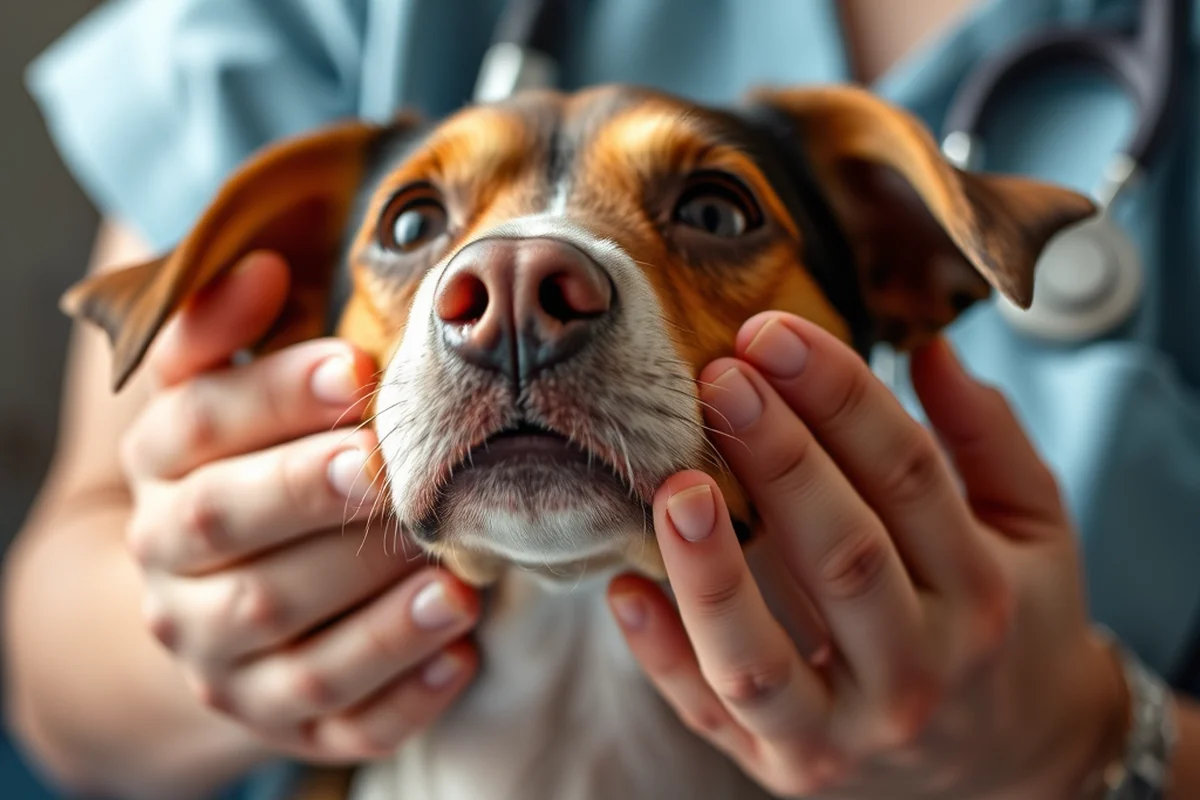
As pets get older, their bodies undergo a variety of changes, and their sexual health is no exception. These changes can impact their ability to interact with other animals, their comfort, and even their behavior. It’s important to understand that these changes are normal but should not be ignored.
Senior pets often experience a decrease in activity levels, which can be a sign of discomfort or changes in their sexual health. If you notice that your pet is less interested in socializing or showing signs of discomfort, it may be time to have a conversation with your veterinarian.
By providing the right care and attention, you can ensure that your senior pet continues to live a comfortable and happy life. This includes understanding the importance of their sexual health and making any necessary adjustments to their environment or routine.
Senior pets need love, care, and understanding as they age.
Related: Best multivitamin for seniors over 65
How to Recognize Changes in Senior Pets
Changes in senior pets can be subtle, but they are often a sign that something is changing. These changes can include a decrease in activity levels, a lack of interest in socializing, or even signs of discomfort. It’s important to be aware of these changes and understand how they can impact your pet’s overall health.
If you notice that your senior pet is avoiding certain areas of the home or showing signs of discomfort, it could be a sign of changes in their sexual health. These changes can be a normal part of aging, but they should not be ignored.
By being vigilant and understanding the signs of change, you can ensure that your senior pet continues to receive the care they need. This includes regular check-ups with a veterinarian and making any necessary adjustments to their environment or routine.
Changes in your senior pet’s behavior can be a sign of their changing sexual health. Don’t hesitate to consult your vet if you notice any unusual signs.
“I remember the first time my 12-year-old golden retriever, Buddy, showed signs of slowing down.”— Senior Pet Skin and Coat Health editors
Related: What is senior citizen housing
The Role of the Veterinarian in Senior Pet Care

Veterinarians are essential in the care of senior pets, as they can help identify and address changes in your pet’s sexual health. These changes can be normal parts of aging, but they can also be signs of underlying issues that need to be addressed.
If you notice any changes in your senior pet’s behavior or comfort, it’s important to consult your veterinarian. They can provide you with the information and care your pet needs, including regular check-ups and any necessary treatments.
By working closely with your veterinarian, you can ensure that your senior pet continues to receive the care and support they need. This includes understanding the importance of their sexual health and making any necessary adjustments to their environment or routine.
Related: Senior citizen age
How to Support Your Senior Pet’s Sexual Health
Supporting your senior pet’s sexual health requires a thoughtful approach that includes making adjustments to their environment and routine. These changes can help ensure their comfort and well-being as they age.
One of the most important things you can do is make sure your senior pet has a comfortable and safe environment. This includes providing soft bedding, easy access to their litter box, and minimizing any areas that may cause them discomfort.
By making these adjustments and working closely with your veterinarian, you can ensure that your senior pet continues to live a happy and healthy life. This includes understanding the importance of their sexual health and making any necessary changes to their care.
Related: Best cell plans for seniors
The Benefits of Addressing Senior Pet Sexual Health
By addressing your senior pet’s sexual health, you can help improve their comfort and overall quality of life. These changes can make a significant difference in their behavior and well-being as they age.
Senior pets that receive the right care and attention are often more comfortable and happy. This includes understanding the importance of their sexual health and making any necessary adjustments to their environment or routine.
By working closely with your veterinarian and making any necessary changes, you can ensure that your senior pet continues to receive the care they need. This includes understanding the importance of their sexual health and making any necessary adjustments to their environment or routine.
Addressing your senior pet’s sexual health can lead to a happier, healthier life.
Related: What is senior benefits
What to Expect as Your Pet Ages
As your pet ages, you may notice changes in their behavior and comfort that can impact their overall well-being. These changes can include a decrease in activity levels, a lack of interest in socializing, or even signs of discomfort.
It’s important to understand that these changes are a normal part of aging but should not be ignored. By being aware of these changes and making any necessary adjustments to your pet’s care, you can ensure that they continue to live a comfortable and happy life.
🦴 Senior Pet Care
Understanding the unique needs of senior pets, including their sexual health and overall well-being.
🐶 Small Breed Senior Care
Tailoring care to the specific needs of small breed senior pets, including their sexual health and comfort.
🐾 Multi-Pet Senior Home
Managing the care of multiple senior pets, including their sexual health and interactions with other pets.
💰 Budget-Friendly Senior Pet Care
Providing quality care for senior pets on a budget, including addressing their sexual health and comfort.
✈️ Traveling with Senior Pets
Making travel arrangements for senior pets, including considerations for their sexual health and comfort.
| The mistake | Why it happens | The fix |
|---|---|---|
| Ignoring changes in your senior pet’s behavior. | Changes in behavior can be a sign of discomfort or changes in their sexual health. Ignoring these signs can lead to unnecessary suffering. | Be observant and consult your veterinarian if you notice any changes in your pet’s behavior or comfort. |
| Not making adjustments to your senior pet’s environment. | Senior pets may require a more comfortable environment as they age, and failing to make these adjustments can impact their well-being. | Ensure your senior pet has a comfortable and safe environment, including soft bedding and easy access to their litter box. |
| Assuming that changes in sexual health are normal without consulting a vet. | While some changes are normal, others may indicate underlying issues that need to be addressed. Assuming all changes are normal can lead to missed opportunities for treatment. | Consult your veterinarian to determine the cause of any changes in your senior pet’s sexual health. |
| Not providing regular check-ups for your senior pet. | Regular check-ups are essential for identifying changes in your pet’s sexual health and overall well-being. Failing to provide these check-ups can lead to undiagnosed issues. | Schedule regular check-ups with your veterinarian to ensure your senior pet continues to receive the care they need. |
| Making sudden changes to your senior pet’s routine. | Sudden changes can be stressful for senior pets and may impact their overall well-being. Making abrupt changes without considering their needs can lead to discomfort or other issues. | Make any changes to your senior pet’s routine gradually and with careful consideration for their comfort and well-being. |
Sex For Seniors
Common Questions
What are the signs that my senior pet is experiencing changes in their sexual health?
How often should I take my senior pet to the vet for sexual health check-ups?
Can I make any changes at home to support my senior pet’s sexual health?
What should I do if I notice my senior pet is avoiding certain areas of the home?
References
- Let's Talk About Sex - Institute for Healthcare Policy and Innovation (ihpi.umich.edu)
- Sexual Health Landing Page - CDPH - CA.gov (cdph.ca.gov)
Cite this guide
Senior Pet Skin and Coat Health (2026). Sex For Seniors. https://seniorcoat.com/sex-for-seniors/
Feel free to cite or share this guide.