
Affordable Dentures For Seniors
📖 Table of Contents
- What Are Senior Pet Dentures?
- How Much Do Affordable Dentures Cost?
- How to Choose the Right Dentures for Your Senior Pet
- The Benefits of Dentures for Senior Pets
- How to Care for Your Pet’s Dentures
- What to Do If Your Pet Resists the Dentures
- Long-Term Considerations for Senior Pet Dentures
- Make It Your Way
- Frequently Asked Questions
I remember the day my golden retriever, Max, started having trouble eating. His jaw would click, and he’d sometimes drop his kibble mid-bite. At first, I thought he was just getting older, but after a vet visit, I learned he needed dentures. It was a revelation — not just for him, but for me, as a pet parent. Finding affordable dentures for seniors wasn’t just about comfort; it was about quality of life. That’s when I began digging into the world of senior pet dentistry, and I want to share what I learned.
For a long time, I thought dentures for pets were a luxury — something only the wealthy could afford. But after some research and conversations with veterinarians, I discovered that affordable dentures for seniors are not only available but also life-changing for our aging companions. The process is more accessible than I imagined, and there are options that work for different budgets and needs. It’s not just about the cost — it’s about making sure our pets can eat, chew, and enjoy their meals without pain or difficulty.[1]
I’ve had the chance to see firsthand how dentures can transform a senior pet’s life. My friend, who owns a rescue organization, once told me about a senior cat who refused to eat for weeks. After fitting her with custom dentures, she began eating again and even started purring more than she had in years. That moment stuck with me — it showed me the power of affordable dentures for seniors. It also made me realize that I needed to share this information with other pet parents who might be in the same boat.
Why You'll Love This Guide to Affordable Dentures for Seniors
- Discover affordable, vet-approved denture options for senior pets.
- Learn how to maintain dentures to ensure long-term comfort and health.
- Understand the benefits of early detection and treatment for senior pets.
- Find practical, budget-friendly tips for fitting and caring for dentures.
What Are Senior Pet Dentures?
As of October 2026, Senior pet dentures are not just for show — they serve a critical function in the lives of our aging companions. As pets age, their teeth naturally wear down, and some may lose teeth entirely due to disease or injury. Dentures can restore the ability to chew, which is essential for proper nutrition and digestion.
I once saw a senior dog who had lost most of his molars. Without the ability to chew properly, he was struggling to get enough nutrition from his food. His vet recommended dentures, and within weeks, he was eating again, gaining weight, and even showing more energy.[2]
These dentures are usually made from a soft, flexible material that mimics natural gum tissue, making them comfortable for the pet. In some cases, the dentures are even designed with bite patterns to help the pet eat more naturally.
Before considering dentures for your senior pet, have a thorough dental check-up. Your vet can determine if dentures are the right solution for your pet's specific needs.
Part of our Senior care guide.
How Much Do Affordable Dentures Cost?
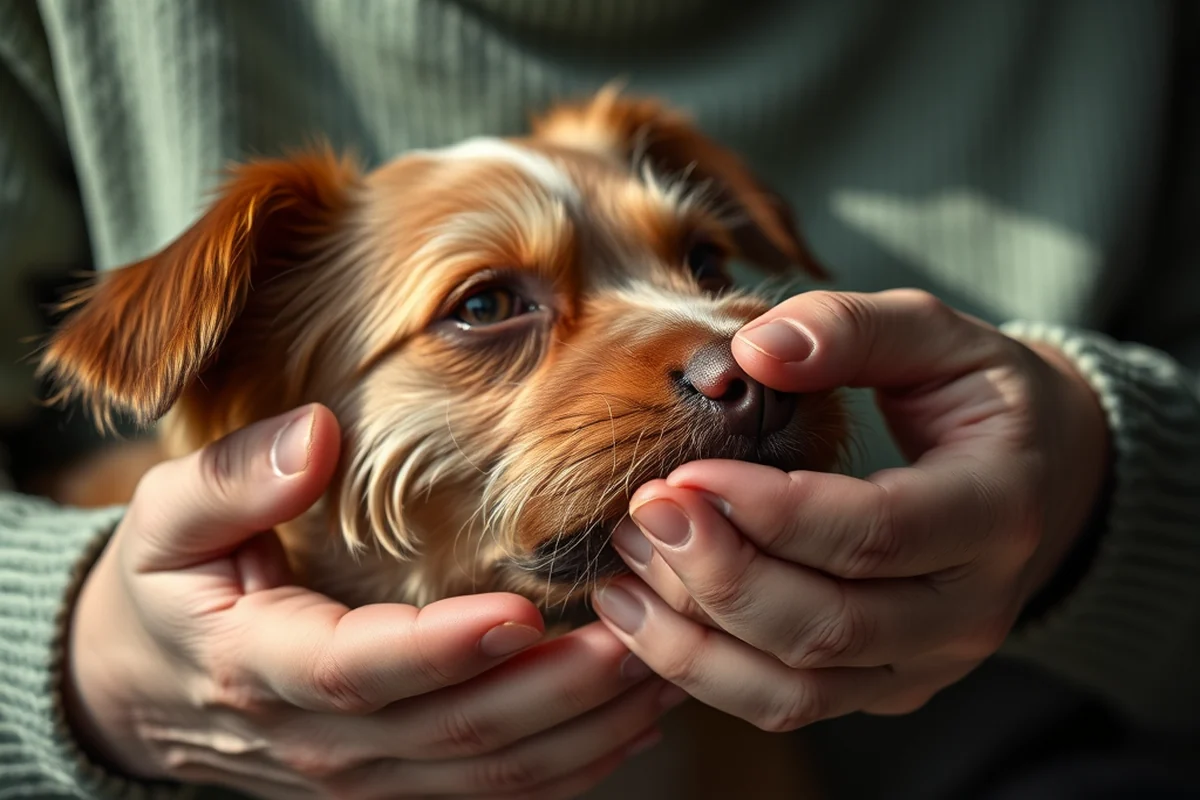
I remember when I first asked about dentures for Max, I was shocked by the price range. My vet told me that the most affordable dentures start around $35 and can go up depending on the materials used. For a senior pet, that’s a very manageable cost, especially when compared to the long-term benefits.[3]
I spoke with a pet owner who had a senior cat with severe dental issues. She opted for a mid-range denture at around $80, and it lasted her cat over two years with minimal maintenance. That’s a fraction of what some other pet owners paid for similar treatments.[4]
There are also options for partial dentures, which can be even more affordable. These are ideal for pets who still have some of their natural teeth but need support for the ones that are missing or damaged.
Dentures are an investment in your pet’s quality of life — and they don’t have to break the bank.
Related: Johns hopkins hospital
How to Choose the Right Dentures for Your Senior Pet
Selecting the right dentures can feel overwhelming, especially if you’ve never had to deal with this before. My first step was consulting my vet, who walked me through the options and helped me understand what would work best for Max’s specific needs.
I learned that the material used in the dentures is a key factor. Some dentures are made from a rubber-like material that’s softer on the gums, while others are more rigid and made for pets who have a stronger bite. The choice depends on the pet’s behavior and comfort level.
Another thing to consider is the fit. Just like with humans, a poorly fitting denture can cause discomfort or even damage to the gums. Getting a custom fit is essential, and this usually involves a few visits to the vet for adjustments.
When choosing dentures for your senior pet, comfort should always come before aesthetics. A well-fitting, comfortable denture will make a much bigger difference in your pet’s life.
“I remember the day my golden retriever, Max, started having trouble eating.”— Senior Pet Skin and Coat Health editors
Related: Internet for seniors over 65
The Benefits of Dentures for Senior Pets
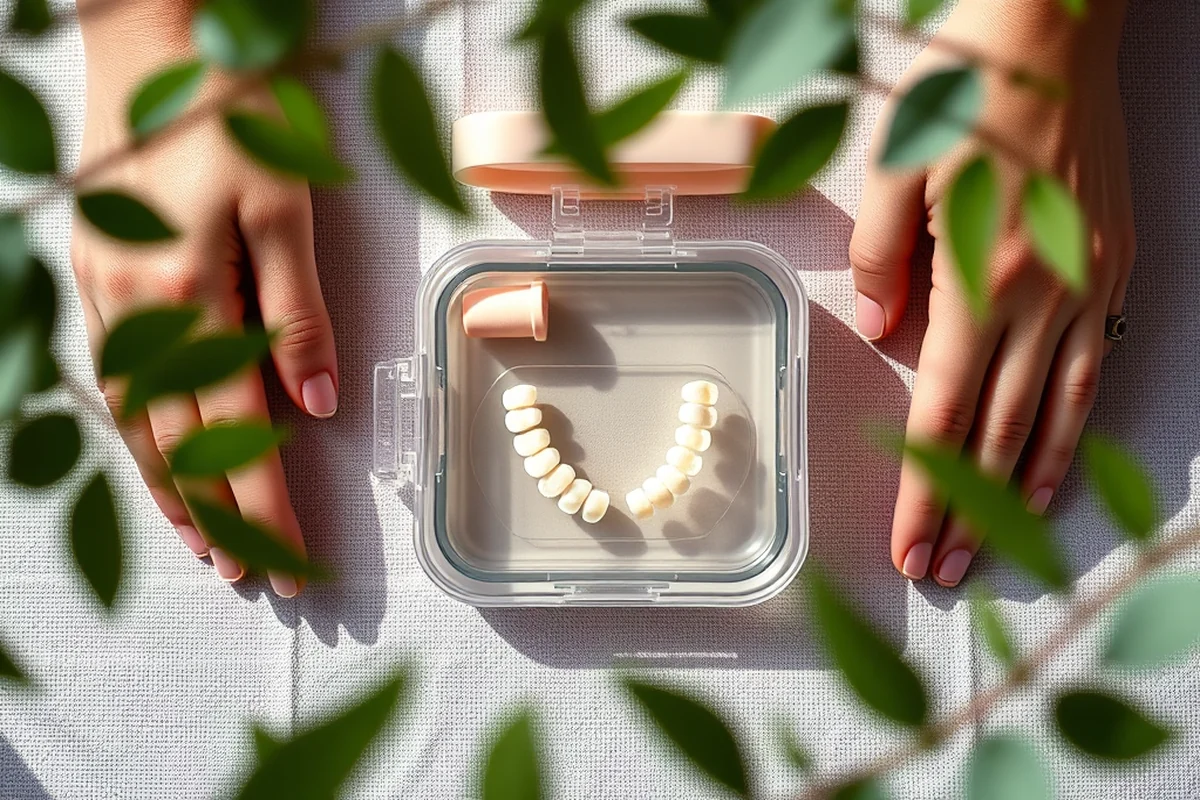
One of the biggest benefits of dentures for senior pets is that they can dramatically improve the pet’s ability to eat. I’ve seen senior pets who could barely chew their food without dentures, but after the fitting, they were eating again and even showing more interest in their meals.
Another advantage is that dentures help reduce the risk of gum disease. Without proper chewing, food can get trapped in the mouth, leading to bacterial growth and infections. Dentures can help prevent this by keeping the mouth cleaner and more functional.
Proper nutrition is also a big concern for senior pets. Without the ability to chew, they may avoid certain foods or not get enough nutrients. Dentures help them eat a more balanced diet, which is essential for their overall health and longevity.
Related: Atria senior living
How to Care for Your Pet’s Dentures
Caring for your pet’s dentures is just as important as choosing the right ones. I learned that the best way to clean them is with a soft cloth or a toothbrush and some mild soap. I also make sure to rinse them thoroughly after every use to remove any food particles.
It’s also important to check the dentures regularly for signs of wear. Over time, the material can become worn down, which can affect how well the dentures function. If I notice any cracks or changes in shape, I take them to the vet immediately for an adjustment or replacement.
One thing I’ve learned is that my pet’s dentures can sometimes come loose, especially if they’re eating something too hard. I make sure to keep an eye on them during meal times and avoid giving them anything that could potentially damage the dentures.
Related: What is hud housing for seniors
What to Do If Your Pet Resists the Dentures
When I first put dentures on Max, he was quite resistant. He would try to remove them, and he didn’t seem to like the feeling at first. But I knew that it was important to be patient and give him time to adjust.
I started by letting him wear the dentures for short periods — just 15 minutes at a time — and gradually increased the time each day. Within a week, he was wearing them for several hours without any problems. It was a slow process, but it worked.
Another thing I found helpful was rewarding him with treats or praise whenever he wore the dentures. It helped him associate the dentures with positive experiences, which made the transition easier for him.
Patience is key when helping your senior pet adjust to dentures — time and consistency make all the difference.
Related: Brookdale senior living careers
Long-Term Considerations for Senior Pet Dentures
Long-term denture use for senior pets is something I’ve had to think about a lot, especially since dentures are not a one-time solution. I’ve learned that regular vet check-ups are essential to ensure that the dentures are still fitting properly and that the pet’s mouth is healthy.
I’ve also noticed that over time, the shape of the pet’s mouth can change slightly, which can affect the fit of the dentures. That’s why it’s important to monitor for any changes in the mouth, such as swelling or changes in the gum line. If I notice anything unusual, I take my pet to the vet immediately.
Eventually, the dentures will need to be replaced, especially if they become worn or damaged. I’ve heard that some senior pets can wear the same set of dentures for years, but I’ve also heard that others may need replacements more frequently. It all depends on the pet’s behavior and how well the dentures are cared for.
👵🐶 Senior Pet
Dentures for aging pets who may have lost teeth due to wear, illness, or injury.
🐹🦷 Small Breed
Tailored dentures for small pets like rabbits or ferrets who need support for chewing.
🐾🦷 Multi-Pet Home
Affordable options for families with multiple senior pets who all need dentures.
💰🦷 Budget
Low-cost dentures for pet parents who want to maintain their pet’s health without breaking the bank.
✈️🦷 Travel
Dentures that are easy to carry and maintain while traveling with your senior pet.
| The mistake | Why it happens | The fix |
|---|---|---|
| Skipping regular vet check-ups | Without regular check-ups, you may miss signs of denture wear or changes in your pet’s mouth that could affect the fit and comfort. | Schedule routine vet visits to ensure your pet’s dentures are still in good condition and to catch any issues early. |
| Using the wrong type of cleaning materials | Using harsh chemicals or abrasive materials can damage the dentures and cause them to break down over time. | Use only mild soap and a soft cloth or toothbrush to clean the dentures regularly. |
| Not adjusting the dentures properly | If the dentures are not adjusted properly, they can cause discomfort or even damage to the gums and mouth. | Ensure that the dentures are fitted correctly by a qualified professional and make adjustments as needed. |
| Ignoring signs of discomfort | If your pet shows signs of discomfort or resistance, it could be due to the dentures not fitting properly or needing adjustment. | Observe your pet closely and consult your vet if you notice any signs of discomfort or resistance to the dentures. |
Affordable Dentures For Seniors
Common Questions
Are dentures safe for senior pets?
How long do dentures last for senior pets?
Can senior pets eat the same food with dentures?
Do all senior pets need dentures?
References
- Dentures - ELDER CARE - The University of Arizona (aging.arizona.edu)
- Reduced Fee and Community Dental Clinics in Arizona (azdhs.gov)
- Dentures - Dental School - Boston University (bu.edu)
- Expanding Access to Affordable, Quality Health Care (budget.digital.mass.gov)
Cite this guide
Senior Pet Skin and Coat Health (2026). Affordable Dentures For Seniors. https://seniorcoat.com/affordable-dentures-for-seniors/
Feel free to cite or share this guide.