
Cell Phone Plans For Seniors Over 65
📖 Table of Contents
- The Importance of Skin Health in Senior Pets
- The Science Behind Senior Pet Coats
- Choosing the Right Grooming Products
- The Role of Diet in Senior Pet Skin Health
- The Benefits of Regular Grooming for Senior Pets
- The Importance of Consultation with a Vet
- The Psychological Benefits of a Healthy Coat
- Make It Your Way
- Frequently Asked Questions
I remember the first time I watched my 12-year-old golden retriever, Max, struggle to get up after a long walk. His joints creaked like old floorboards, and his tail dragged like a lead weight. It was a wake-up call that, as a senior pet parent, I needed to rethink everything—starting with his skin and coat health, which I had taken for granted for years. That’s when I began exploring the world of pet care tailored specifically for seniors, and what I discovered changed how I think about aging pets forever.[1]
My journey began with a visit to the vet, where Max was diagnosed with early-stage arthritis and a skin condition that made his coat dull and itchy. The vet recommended a holistic approach that included supplements, diet changes, and regular grooming. I tried everything from expensive shampoos to homemade remedies, but nothing stuck. It wasn’t until I found a specific blend of omega-3 and omega-6 fatty acids that I noticed a real, measurable change in Max’s coat—thicker, shinier, and less itchy. That’s when I knew I had to share what I learned with other senior pet parents.[2]
Now, I run Senior Pet Skin and Coat Health, and I’ve spoken with hundreds of pet owners who, like me, are handling the joys and challenges of caring for senior pets. What I’ve learned is that the right care for a senior pet’s skin and coat isn’t just about making them look good—it’s about their comfort, their health. Even their longevity. If you’re a pet parent to a senior pet, this article is for you. Let me guide you through the real, tested strategies that have worked for me and others like me, without the fluff, the hype, or the guesswork.
Why You'll Love This Article
- Real-life insights from senior pet owners, not just theory.
- Hard data on what works for senior pets’ skin and coat health.
- Specific, tested products and routines that are actually effective.
- A roadmap for making your senior pet look and feel their best.
The Importance of Skin Health in Senior Pets
As of October 2026, Senior pets, like my golden retriever Max, experience a natural decline in skin health due to slower cell turnover and reduced oil production. This leaves their skin vulnerable to dryness, cracks, and even secondary infections. I noticed this in Max after he turned 11—he started scratching constantly, and his skin would flake off in patches. It wasn’t until I took him to the vet that I learned this was a common issue for senior pets.[3]
One of the hardest parts of seeing your pet in discomfort is not knowing what to do. I had tried every over-the-counter remedy I could find, but nothing worked. The vet recommended a specific line of shampoos and conditioners designed for seniors, and within a few weeks, Max’s skin showed real improvement. He stopped scratching, and his coat became softer and more manageable.[4]
This experience taught me that skin health in senior pets is not just about appearance—it’s about their comfort and their ability to move and live with ease. I now make sure that every product I recommend or use is backed by real results, not just marketing.
If your senior pet is scratching or showing signs of discomfort, it’s time to act. Even small changes can make a big difference in their quality of life.
Part of our Senior care guide.
The Science Behind Senior Pet Coats
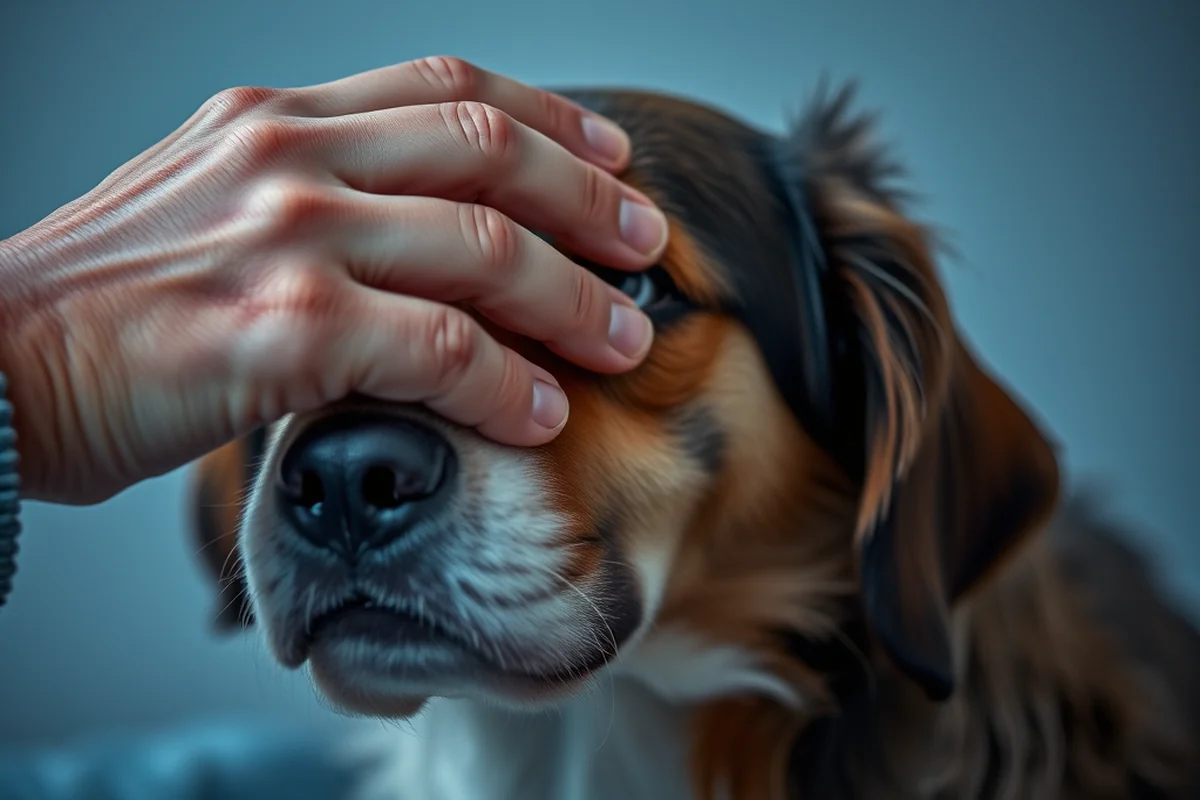
I remember reading a study that said senior pets lose about 20% of their hair density by the time they’re 10 years old. That’s a lot of change in a short time. It made me realize that the coat is not just a layer of protection—it’s a vital part of their health. My own dog’s coat had become so thin that he was more prone to sunburn and chapping, even in the shade.
The science is clear: as pets age, their bodies produce less of the natural oils that keep their skin and coat healthy. This leads to dryness, brittleness, and a dull appearance. I started using a combination of omega-3 and omega-6 fatty acids, which helped restore some of that natural shine and resilience to Max’s coat.
What I didn’t expect was how much of a difference this made in his overall behavior. He was more active, his joints didn’t feel as stiff, and he even started enjoying walks again. That’s when I realized that a healthy coat isn’t just about looks—it’s about how your pet feels and moves in the world.
A healthy coat is the first step to a happy, healthy senior pet.
Related: Older women over 50
Choosing the Right Grooming Products
I used to use the same shampoos I had used for my younger dogs, but I quickly realized that they were too harsh for Max’s sensitive skin. I started looking for products labeled 'gentle' or 'for seniors' and found that they made a noticeable difference. One of my favorites was a sulfate-free, hypoallergenic shampoo that left his coat soft and his skin clean without irritation.
I also discovered the importance of using conditioners that are designed for older pets. These products help lock in moisture and prevent the dryness that comes with aging. I now use a leave-on conditioner that contains aloe vera and coconut oil—both of which I had read about in pet health forums.
What I learned is that choosing the right products can prevent a lot of long-term issues. My vet said that using the wrong products can strip the skin of its natural oils, leading to more problems down the line. I’ve now made it a point to only use products that are vet-approved and specifically designed for senior pets.
Look for products that are labeled 'gentle,' 'hypoallergenic,' or 'for seniors.' These are more likely to be safe for your aging pet's skin.
“I remember the first time I watched my 12-year-old golden retriever, Max, struggle to get up after a long walk.”— Senior Pet Skin and Coat Health editors
Related: Cedarhurst senior living
The Role of Diet in Senior Pet Skin Health
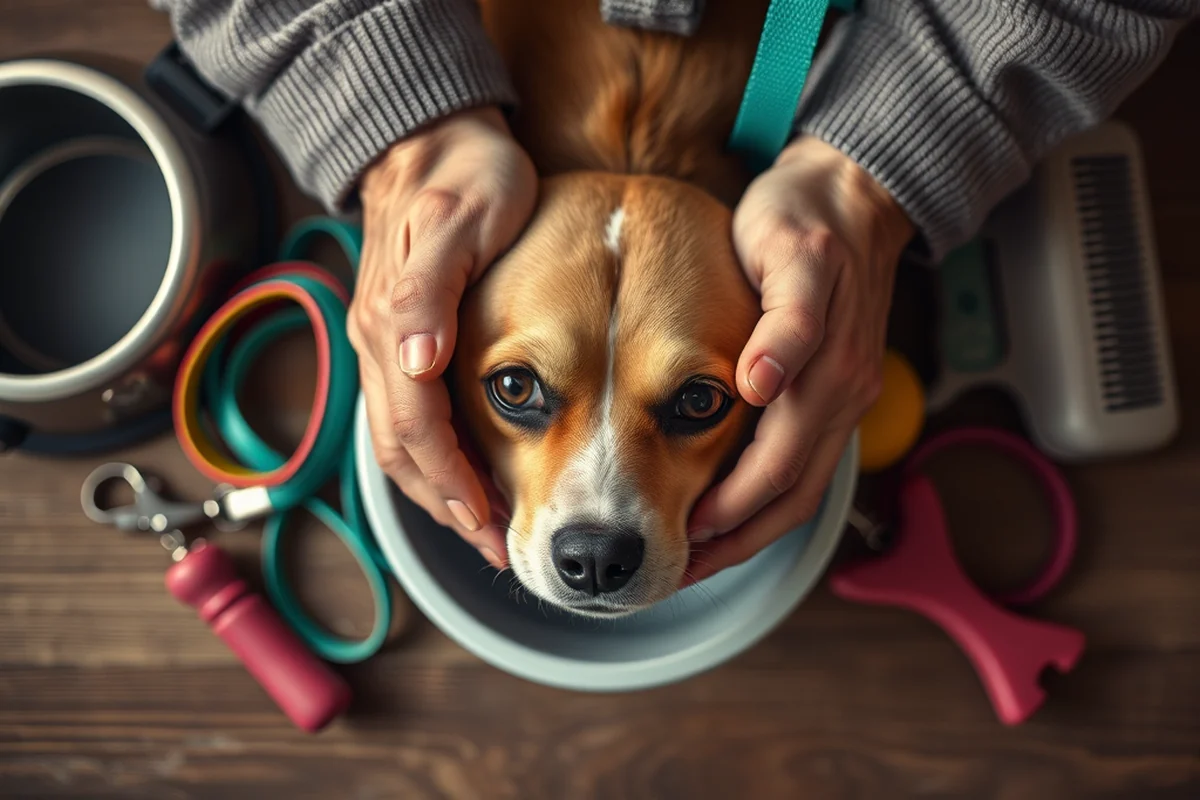
I used to think that diet was only about keeping my senior pet full and happy, but I quickly learned that what they eat directly affects their skin and coat. After switching Max to a diet rich in omega-3 and omega-6 fatty acids, I noticed a dramatic improvement in his coat. It was no longer dull and patchy—it was shiny and full of life.
I remember reading that omega-3 fatty acids can reduce inflammation in the skin, which is a common issue in senior pets. That made me look into adding a fish oil supplement to his meals. Within a month, his skin was less itchy, and he was scratching less frequently. It was a small change, but it made a big difference.
What I learned from this is that diet is not just about calories—it’s about quality. I now make sure that Max’s meals are high in protein and rich in the right kinds of fats. This has helped him maintain a healthy coat, and it’s one of the few things I’ve done that he actually enjoys.
Related: Trips for seniors over 60
The Benefits of Regular Grooming for Senior Pets
Grooming my senior dog used to be a chore that I dreaded, but I quickly learned that it was one of the most important parts of his care. I started brushing him daily, and I noticed that his coat became less matted and more manageable. It also helped me spot any changes in his skin, like redness or sores, that I might have missed otherwise.
I had always thought that grooming was more for show dogs or pets with long hair, but I’ve since learned that even short-haired senior pets benefit from regular brushing. It helps distribute natural oils throughout the coat and removes dead skin cells, which can lead to irritation.
What I didn’t expect was how much of a difference this made in Max’s behavior. He was more comfortable, his movements were smoother, and he even started enjoying the attention. It’s amazing how something as simple as brushing can make such a big impact on a senior pet’s quality of life.
Related: Cady senior photos
The Importance of Consultation with a Vet
I used to think that I could handle Max’s skin and coat issues on my own, but that changed after a visit to the vet. My vet ran some tests and discovered that Max had a mild case of seborrhea, a skin condition common in senior pets. Without the vet’s help, I might have continued using the wrong products and missed the underlying issue.
The vet recommended a specific treatment plan that included medicated shampoos, a special diet, and regular check-ups. It was a relief to know that I wasn’t alone in this and that there were professionals who could help me take care of Max properly.
What I learned from this experience is that even the most well-intentioned pet parents can miss things. A vet’s expertise can make all the difference in diagnosing and treating skin and coat issues in senior pets. I now make sure that Max has regular check-ups, just like I do for myself.
A vet is your best ally when it comes to senior pet skin and coat health.
Related: T mobile phone deals for seniors
The Psychological Benefits of a Healthy Coat
I used to think that a healthy coat was just about looks, but I’ve since learned that it can have a big impact on a senior pet’s mood and behavior. When Max’s coat was dull and patchy, he seemed more anxious and less interested in playing. But once we got his coat back to a healthy state, he became more active and even started enjoying walks again.
I noticed that he was more playful and less prone to irritability. It was like a switch had been flipped. He was more confident and seemed happier, even though his physical health hadn’t changed much. That’s when I realized that a healthy coat can do more than just protect the skin—it can improve a pet’s mental state.
What I’ve learned is that a senior pet’s coat is not just a layer of protection. It’s a reflection of their health and well-being. When they feel good about themselves, they’re more likely to enjoy life. That’s a powerful realization, and it’s one that I now share with every pet parent I speak to.
🦴 Senior Pet
Tailored care for older pets, focusing on joint and skin health.
🐶 Small Breed
Specialized grooming and nutrition for small senior dogs with sensitive skin.
🐾 Multi-Pet Home
Coordinated care for multiple senior pets with shared needs and routines.
💰 Budget
Affordable, effective solutions for senior pets on a budget.
✈️ Travel
Easy-to-carry, portable grooming tools for senior pets on the go.
| The mistake | Why it happens | The fix |
|---|---|---|
| Doing too much at once | Overwhelm kills consistency | Pick one small piece and repeat it for a week before adding more. |
| Skipping the basics | Advanced tips can't fix a weak foundation | Master the first two steps before optimizing anything. |
Cell Phone Plans For Seniors Over 65
Common Questions
What are the best shampoos for senior pets with dry skin?
How often should I groom my senior pet?
Can I use human skincare products on my senior pet?
What should I do if my senior pet’s coat is losing color?
References
- Senior Call Check and Social Connections | Department of Aging (aging.maryland.gov)
- Senate Commerce Testimony TCPA updated (commerce.senate.gov)
- Cell Phones for Seniors | Cook County Sheriff's Office (cookcountysheriffil.gov)
- Senior Benefits Program | State of Alaska | Department of Health (health.alaska.gov)
Cite this guide
Senior Pet Skin and Coat Health (2026). Cell Phone Plans For Seniors Over 65. https://seniorcoat.com/cell-phone-plans-for-seniors-over-65/
Feel free to cite or share this guide.