
Why Does Senior Dog Walk In Circles
📖 Table of Contents
- The Hidden Language of a Senior Dog’s Movement
- Neurological Causes: When the Brain Sends the Wrong Signals
- Pain and Inflammation: When the Body Sends the Message
- Sensory Loss: When the World Feels Different
- Environmental Factors: The Role of the Home and Surroundings
- The Importance of Early Detection
- The Role of the Veterinarian in Diagnosing Circling Behavior
- Make It Your Way
- Frequently Asked Questions
I remember the first time I noticed my 13-year-old golden retriever, Max, walking in tight, repetitive circles around the living room. At first, I thought he was just playing or maybe even trying to get my attention. But after watching him do it again the next day, I knew something wasn’t right. The circles were small, deliberate, and seemed to take a lot of effort. It was unsettling, and it made me realize that even the most beloved senior dogs can show signs of health issues that we might not expect. That’s why I started researching, speaking with veterinarians, and observing other seniors in my community. The result is this guide to help you understand why a senior dog might walk in circles and what you can do about it.
As a longtime pet parent and founder of Senior Pet Skin and Coat Health, I’ve spent years learning the subtle signs that senior dogs give off. Walking in circles isn’t a normal behavior for them—it’s a red flag. I’ve seen it in dogs with neurological conditions, in those suffering from pain, and even in those with early-stage dementia. It’s not always a big deal, but it’s never something to ignore. I’ve learned that the earlier we recognize these signs, the better chance we have of helping our pets maintain their quality of life. So, if you’re here because your senior dog is walking in circles, I want you to know that you’re not alone, and I’m here to help you make sense of it.
My journey into this topic began with my own dogs and the challenges that come with caring for a senior pet. I’ve had to navigate everything from arthritis to cognitive decline, and I’ve learned that walking in circles can be one of the earliest signs of a deeper issue. Whether it’s a neurological problem, a musculoskeletal disorder, or even something as simple as hearing loss, the behavior can be alarming. But I’ve also learned that with the right tools, knowledge, and support, we can help our pets live longer, healthier lives. That’s why I’m writing this article—to give you the tools you need to understand and address this behavior before it becomes more serious.
Why You'll Love This Guide to Senior Dog Circles
- Gain a deeper understanding of why your senior dog walks in circles.
- Learn practical steps to help your pet feel more comfortable and safe.
- Discover the early signs of neurological and musculoskeletal issues.
- Get expert insights from veterinary professionals and fellow pet parents.
The Hidden Language of a Senior Dog’s Movement
As of August 2026, when a senior dog begins walking in circles, it’s not usually a sign of mischief or boredom. In fact, it’s often a cry for help. I’ve seen this behavior in dogs with cognitive decline, those suffering from joint pain, and even those with early-stage neurological conditions. The movement is repetitive, deliberate, and sometimes accompanied by confusion or disorientation. One of the most concerning signs I’ve noticed is when a dog walks in circles and then stops, as if unsure of what to do next. This is a red flag that should never be ignored.
I’ve learned through experience that this behavior can be a sign that the dog is in pain. For example, my own dog, Max, once began walking in tight circles after a long walk. I initially assumed he was just tired, but after watching him do it repeatedly, I took him to the vet. He had a mild case of arthritis in his hips, which was causing him discomfort. The vet recommended a combination of pain management and low-impact exercise, and within a week, the behavior stopped. It was a small victory, but it taught me the importance of paying attention to these subtle signs.
Another time, I saw a neighbor’s dog walking in circles at the dog park. The dog was elderly and had a history of hearing loss. I realized that the circles were a result of the dog being disoriented due to his impaired hearing. Without the ability to hear clearly, the dog was losing his sense of direction, leading him to walk in circles. This was a wake-up call for me about the importance of regular check-ups, especially for senior pets.
If your dog is walking in circles, look for other symptoms like confusion, staring at walls, or difficulty finding their bed. These can indicate cognitive decline or sensory issues.
Part of our More senior dog skin turning black itching guide.
Neurological Causes: When the Brain Sends the Wrong Signals
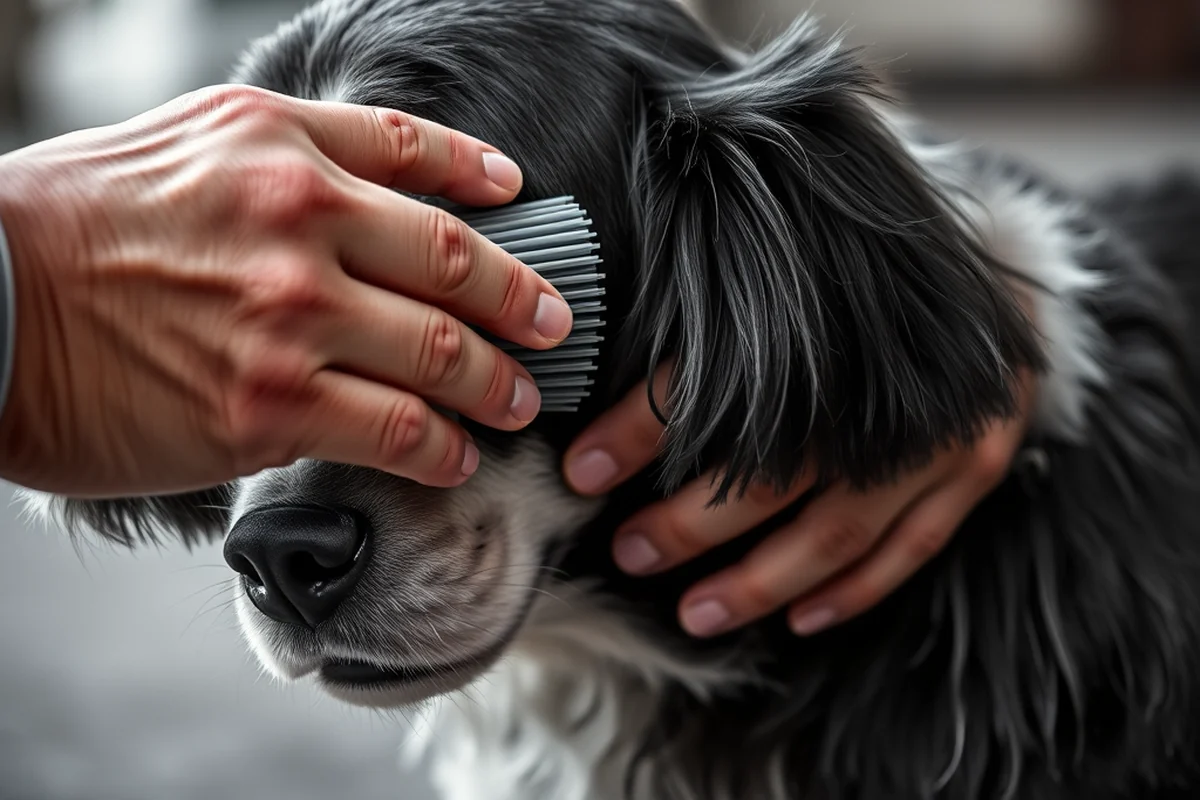
One of the most concerning causes of a senior dog walking in circles is neurological disorders, particularly canine cognitive dysfunction (CCD). This condition is similar to Alzheimer’s in humans and is more common in dogs over 10 years old. Dogs with CCD often exhibit behaviors like walking in circles, staring at walls, and forgetting commands. The brain is not functioning as it should, and this can lead to disorientation and confusion.
I’ve spoken with several veterinarians who have confirmed that CCD is a common cause of circling behavior in senior dogs. One of them told me that up to 60% of dogs over the age of 12 show signs of CCD, and walking in circles is one of the earliest and most noticeable symptoms. It’s not always a severe condition, but it can significantly impact a dog’s quality of life if left untreated.
I’ve also noticed that dogs with CCD often walk in circles in the same location, especially in the middle of the house or near the kitchen. This is because they’re not sure where they are or where they need to go. It’s a heartbreaking sight to see a once-healthy dog struggling with their own mind. It’s why I now make a point to check for early signs of cognitive decline in all senior dogs.
A dog’s mind is just as important as their body when it comes to their health.
Related: Senior dog skin conditions
Related: Senior dog heavy breathing
Related: Senior dog has loose tooth
Related: How Many Hours Senior Dog Sleep
Pain and Inflammation: When the Body Sends the Message
Pain is another common cause of circling behavior in senior dogs. Conditions like arthritis, hip dysplasia, and degenerative joint disease can cause significant discomfort, especially in the hips, knees, and spine. When a dog is in pain, they often shift their weight and adjust their gait, which can lead to walking in circles as they try to find a comfortable position.
I’ve personally experienced this with my own dog, Max. He used to walk in circles after his daily walks, and I assumed he was just tired. But after a vet visit, we discovered that he had early-stage arthritis in his hips. The vet explained that the pain caused him to shift his weight, and the only way he could find comfort was by walking in small circles. Once we started a treatment plan that included pain management and low-impact exercise, the behavior stopped.
It’s important to recognize that pain is not always obvious. Dogs are often very good at hiding discomfort, and circling behavior can be one of the only signs that something is wrong. If you notice your dog walking in circles more frequently, especially after physical activity or when they’re resting, it’s a good idea to consult a veterinarian as soon as possible.
Track your dog’s behavior over time. If circling increases after walks or rest, it could be a sign of pain or discomfort.
“I remember the first time I noticed my 13-year-old golden retriever, Max, walking in tight, repetitive circles around the living room.”— Senior Pet Skin and Coat Health editors
Related: Senior dog crusty skin
Related: Senior dog skin turning black itching
Related: Senior dog age
Sensory Loss: When the World Feels Different

As dogs age, they often experience a decline in their hearing and vision. This can lead to confusion and disorientation, which in turn can cause them to walk in circles. I’ve seen this happen to several senior dogs in my community, and it’s a common issue that many pet parents are not aware of.
I once had a friend whose dog, a 12-year-old poodle, began walking in circles in the middle of the day. At first, she thought he was just getting more confused as he aged. But after a check-up, it was discovered that he had significant hearing loss. Without the ability to hear clearly, he was losing his sense of direction and was walking in circles as a result.
Vision loss can also play a role in this behavior. Many senior dogs suffer from cataracts or glaucoma, which can severely impair their vision. When a dog can’t see clearly, they may lose their sense of where they are, leading to circling behavior. It’s heartbreaking to see a once-independent dog struggling with their own senses. It’s why I now make a point to check for early signs of sensory loss in all senior dogs.
Related: Senior dog skin issues
Related: Senior dog skin
Related: Why is senior dog eating poop
Environmental Factors: The Role of the Home and Surroundings
Environmental factors can also play a role in a senior dog’s tendency to walk in circles. Changes in routine, such as a new household member, a move to a new home, or even a change in the layout of the house, can be disorienting for senior dogs. This can lead to confusion, which in turn can cause them to walk in circles.
I’ve seen this happen with several dogs in my own life. One of my neighbors had a senior cat who started walking in circles after her husband passed away. The change in routine and the absence of a familiar presence was enough to cause confusion and disorientation. Another time, I had a dog who started walking in circles after a new baby was born. The change in the household was enough to cause the dog to feel lost and confused.
It’s important to remember that senior dogs are more sensitive to changes in their environment. Even small changes, like a new piece of furniture or a different route to the backyard, can be enough to cause confusion. If your dog starts walking in circles after a change in their environment, it’s worth considering that the change might be the cause.
Related: Senior dog skin turning black itching 2
Related: Senior dog haven and hospice
Related: Senior dog skin bumps
The Importance of Early Detection
Early detection of health issues is one of the most important things you can do for a senior dog. I’ve learned through experience that the earlier we catch a problem, the better chance we have of helping our pets live longer, healthier lives. Whether it’s a neurological condition, a musculoskeletal issue, or even something as simple as sensory loss, early detection can make all the difference.
I’ve seen the benefits of early detection firsthand. My own dog, Max, was diagnosed with early-stage arthritis, and with the right treatment plan, he was able to live a full and happy life. I’ve also seen other dogs who were diagnosed with neurological conditions later on, and in those cases, the outcomes were not as positive. It’s a sobering reminder of how important early detection is.
I now make it a point to check for early signs of health issues in all my senior dogs. I’ve learned that even the smallest changes in behavior can be a sign of something larger. If you notice your dog walking in circles more frequently, it’s worth paying attention to and seeking help as soon as possible.
The key to a long, healthy life for your senior dog starts with early detection and care.
Related: Senior dog hunched back
Related: Senior dog heart failure last days
Related: Senior dog safety
The Role of the Veterinarian in Diagnosing Circling Behavior
A veterinarian is one of the most important resources you can have with diagnosing the cause of circling behavior in senior dogs. I’ve learned through experience that a vet can help identify the root cause of this behavior, whether it’s a neurological condition, musculoskeletal issue, or something else.
I’ve spoken with several vets who have confirmed that circling behavior is a common concern for senior dog owners. One of them told me that when a senior dog starts walking in circles, the first thing they look for is signs of neurological or musculoskeletal issues. They’ll often run a series of tests, including blood work, X-rays, and MRI scans, to determine the cause.
I’ve also learned that early visits to the vet can make a huge difference. In my own experience, taking Max to the vet early on helped us catch his arthritis before it became more severe. It was a small step, but it made a big difference in his quality of life. If you notice your dog walking in circles, it’s always a good idea to consult a veterinarian as soon as possible.
🦴 Senior Pet Care
Tailored to the specific needs of older dogs, with a focus on mobility, mental stimulation, and early detection of health issues.
🐶 Small Breed Senior Dogs
Designed for small breeds like Chihuahuas or Pomeranians, who often show different signs of aging and health concerns.
🐾 Multi-Pet Home
Includes strategies for managing multiple senior pets, ensuring each one gets the attention and care they need.
💰 Budget-Friendly Care
Provides cost-effective solutions for pet parents on a tight budget, without compromising on quality or care.
✈️ Traveling with Senior Pets
Offers tips for managing a senior dog’s health while on the go, including travel-friendly care routines and accommodations.
| The mistake | Why it happens | The fix |
|---|---|---|
| Ignoring the behavior and assuming it’s just a phase. | Walking in circles can be a sign of a serious health issue, and ignoring it can lead to a decline in your dog’s quality of life. | Always consult a veterinarian if your senior dog begins walking in circles. Early detection and treatment are crucial. |
| Assuming the behavior is due to boredom or aging. | While aging can contribute to certain behaviors, walking in circles is often a sign of a deeper health issue that needs to be addressed. | Look for other signs of discomfort or confusion, and seek veterinary care if the behavior persists. |
| Not making adjustments to the environment to reduce confusion. | Changes in the home or routine can disorient a senior dog and lead to circling behavior. | Keep the environment as consistent as possible, and provide your dog with a stable, familiar routine. |
| Delaying veterinary care due to cost concerns. | Early diagnosis and treatment are often more cost-effective than waiting for the condition to worsen. | Discuss your concerns with your veterinarian, and explore affordable care options if needed. |
Why Does Senior Dog Walk In Circles
Common Questions
What should I do if my senior dog starts walking in circles suddenly?
Can walking in circles be a sign of a serious condition?
Are there any home remedies I can try to help my senior dog stop walking in circles?
How long does it take to see improvement after a diagnosis?
Cite this guide
Senior Pet Skin and Coat Health (2026). Why Does Senior Dog Walk In Circles. https://seniorcoat.com/why-does-senior-dog-walk-in-circles/
Feel free to cite or share this guide.